Sports Massage in Porto: What You Need to Know
In Porto, demand for sports massage has grown. Runners, CrossFit practitioners, cyclists, swimmers. All benefit from specialized muscle work. This guide explains everything you need to know.

What Sports Massage Is
Sports massage isn’t simply a stronger massage. It’s a specific technique developed for athletes that combines various methods:
- Deep friction: Work on deeper tissues to release accumulated tension
- Assisted stretching: Movements that increase joint range
- Compression: Techniques that improve circulation and reduce inflammation
- Myofascial release: Work on the fascia surrounding muscles
The goal isn’t just to relax. It’s functional. To prepare the body for effort, or help it recover afterward.
Proven Benefits
Scientific research has validated what athletes have known for decades. Sports massage benefits include:
Accelerated recovery: Studies show significant improvements in muscle recovery time after intense exercise. Massage improves blood flow, delivering nutrients and oxygen to damaged tissues.
Injury prevention: More flexible muscles and less tense tissues reduce the risk of strains and tears. Regular massage identifies tension points before they become problems.
Improved range: Flexibility increases with regular sessions. For sports requiring range of motion, like swimming, martial arts and gymnastics, this translates to better performance.
Pain reduction: Sports massage is effective in treating delayed onset muscle soreness (DOMS), the pain that appears 24-48 hours after intense training.
Psychological benefits: Athletes report better sleep, less pre-competition anxiety, and greater body awareness after regular sessions.
When to Get Sports Massage
Timing is important. Sports massage divides into three moments:
Pre-event (before competition or intense training): Short session, 15-30 minutes, focused on activating muscles. Quick movements, percussion, dynamic stretches. The goal is to prepare, not relax.
Post-event (up to 48 hours after): Longer session, 45-90 minutes, focused on recovery. Deeper work, tension release, drainage. Ideal within the first 2-6 hours after effort. Learn more about post-workout massage and recovery timing.
Maintenance (regular, outside competition): Weekly or biweekly sessions to keep tissues healthy. Preventive work, identifying imbalances, postural correction.
For Which Sports
Sports massage adapts to any modality, but the focus changes:
Running and trail: Emphasis on quadriceps, hamstrings, calves, and plantar fascia. Runners accumulate tension in lower limbs and benefit from regular myofascial release.
Cycling: Focus on quadriceps, glutes, and lower back. The prolonged position on the bike creates specific tension patterns that need dedicated work.
Swimming: Work on shoulders, lats, and core. Swimmers need maximum shoulder range and spine mobility.
CrossFit and weight training: Global approach. Functional training works the whole body, so massage should be complete, with special attention to areas most worked that week.
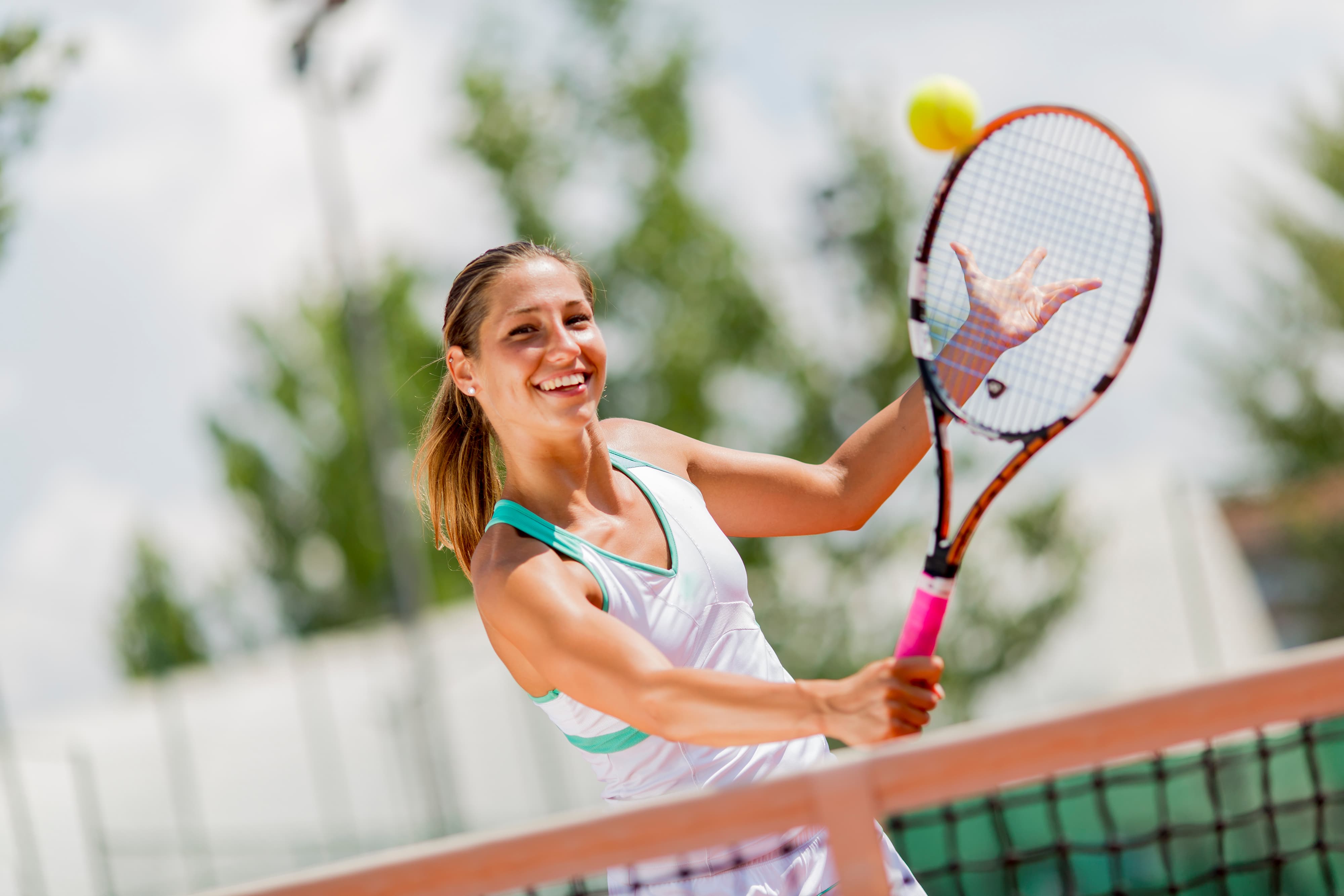
Tennis and padel: Focus on dominant arm, shoulder, and lower back. Repetitive movements create imbalances that massage helps correct.
Football: Lower limbs, hips, and lower back. The combination of running, direction changes, and shots requires flexible and recovered muscles.
Sports Massage vs Relaxation Massage
Many people confuse the two. Here are the main differences:
Sports massage: Medium to strong pressure, variable speed, focused on specific tension areas. The goal is functional recovery. It can be uncomfortable during, but afterwards you feel relief and greater mobility.
Relaxation massage: Light to medium pressure, slow and constant movements, whole body coverage. The goal is general relaxation. It is always pleasant during the session, and afterwards you feel calm and slightly drowsy.
Sports massage can be uncomfortable during the session, especially when working very tense areas. This is normal. Discomfort should be tolerable. Always communicate with the therapist.
Home Sports Massage
For athletes with busy schedules, home massage makes sense. Specific advantages for athletes:
Perfect timing: You can schedule the session for right after training when benefits are maximum. No time lost traveling while muscles are still warm.
Immediate recovery: After the massage, you can go straight to the shower and rest. The body continues recovering without interruptions.
Regularity: It’s easier to maintain a massage routine when you don’t need to leave home. Consistent athletes have better results.
Personalization: The therapist knows your space, your training patterns, your progress. Each session adapts to what you trained that week. Over time, this continuity produces better results than visiting different therapists at different spas.
Equipment access: At home, you can also have your foam roller, resistance bands, or ice packs nearby. The therapist may incorporate these into the session or recommend a post-massage protocol using your own equipment.
Recommended Frequency
Ideal frequency depends on training volume:
- Recreational athlete (3-4 trainings/week): 1 massage per month minimum. Ideally biweekly. Check our current prices for regular sessions.
- Regular athlete (5-6 trainings/week): 2 massages per month minimum. Ideally weekly.
- Competitive athlete: Weekly, with additional sessions before and after important competitions.
- Injury or recovery period: 2-3 sessions per week, as indicated by physiotherapist.
What to Expect from the First Session
In the first sports massage session, the therapist will conduct an assessment:
- What sports you practice and how often
- Injury history
- Areas of greatest tension or discomfort
- Goals (recovery, prevention, preparation)
The session typically begins with gentler techniques to warm the tissues, then progresses to deeper work. Always communicate your comfort level. Pressure should be intense but tolerable.
After the session, you may feel some sensitivity in the worked areas. This is normal and should pass in 24-48 hours. Drink water, avoid intense training that day, and rest.
How to Choose a Sports Massage Therapist
Not all massage therapists are prepared for sports work. Look for:
- Specific training in sports massage
- Experience with athletes in your sport
- Knowledge of functional anatomy
- Clear communication about techniques and goals
A good sports therapist asks about your training programme, understands your sport’s specific demands, adapts each session accordingly, and gives recommendations for stretches or complementary exercises. They should also be familiar with optimal recovery timing to help you schedule sessions for maximum benefit.
Frequently Asked Questions
Does sports massage hurt?
It can be uncomfortable in very tense areas, but shouldn’t be painful. Always communicate with the therapist. Intensity adjusts to your tolerance. A good sports therapist works at the edge of discomfort without crossing into pain, which is where the therapeutic benefit is greatest.
Can I train on massage day?
Ideally not intensely. If it’s post-training massage, you’ve already trained before. If it’s maintenance, rest for the remainder of the day to maximize benefits. Light activity (walking, gentle stretching) is fine, but avoid heavy lifts or intense cardio.
How long does a session last?
Maintenance sessions: 60-90 minutes for full body work. Pre-event: 20-30 minutes, focused and stimulating. Post-event: 45-60 minutes, focused on recovery. For athletes with specific problem areas, longer sessions allow more thorough work.
Does massage replace stretching?
No. They complement each other. You should maintain your stretching and mobility routine. Massage works differently, accessing deeper layers of tissue and breaking adhesions that stretching alone cannot reach. The combination of both produces better results than either alone.