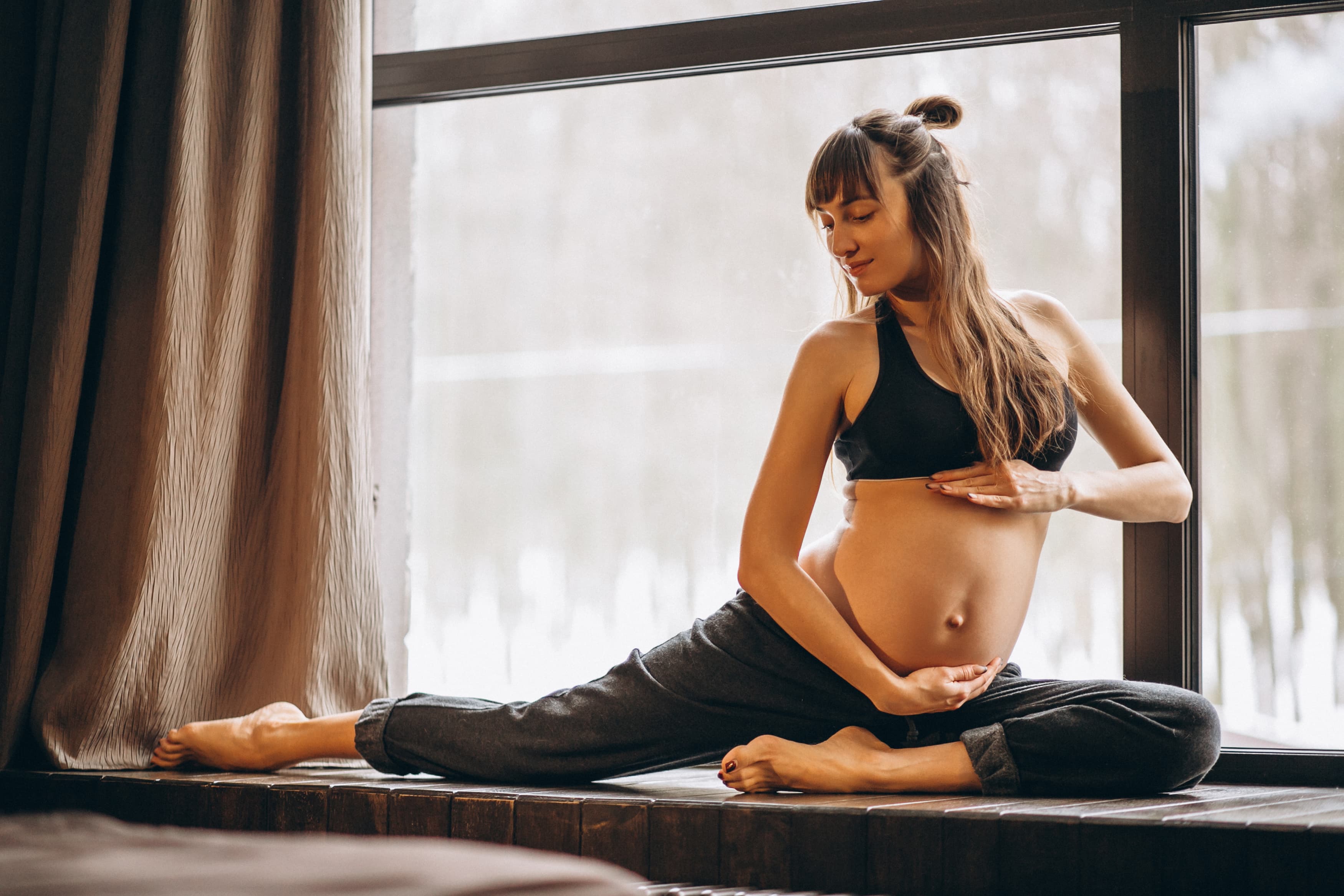
Massage During Pregnancy: Is It Safe?
The short answer is yes, with conditions. Pregnancy massage is considered safe for most women when performed by a trained therapist who understands the specific needs and contraindications of each trimester. The longer answer involves understanding what changes in your body, which techniques help, which positions are appropriate, and why having the session at home makes particular sense when you are pregnant.

Safety by Trimester
Not all stages of pregnancy are the same when it comes to massage, and understanding the differences matters.
First trimester (weeks 1 to 12): Most therapists and medical professionals recommend caution during these early weeks. The risk of miscarriage is highest in the first trimester, and while massage does not cause miscarriage, many practitioners prefer to wait until after week 12 as a precaution. If you do receive massage during this period, it should be gentle, avoiding deep pressure on the abdomen and lower back. Always consult your obstetrician or midwife before booking.
Second trimester (weeks 13 to 27): This is widely considered the safest and most comfortable period for pregnancy massage. Morning sickness has typically subsided, energy levels are higher, and the bump is present but not yet so large that positioning becomes difficult. Many women begin regular massage sessions during the second trimester and continue through the third. The focus tends to be on the lower back, hips, and legs, where tension accumulates as the body adapts to the growing weight.
Third trimester (weeks 28 to 40): Massage remains safe and becomes increasingly valuable as physical discomfort peaks. However, positioning requires more care. Side-lying is the standard position, with pillows supporting the bump, between the knees, and under the head. The therapist avoids deep pressure on the inner legs (near the ankle and behind the knee) where certain pressure points are located. Sessions tend to focus on relieving lower back strain, reducing swelling in the legs and feet, and easing tension in the shoulders and neck from postural changes.
Which Types of Massage Are Safe
Not every massage technique is appropriate during pregnancy. Here is what works and what to avoid.
Swedish massage: The most recommended type for pregnant women. It uses long, flowing strokes with moderate pressure that promote relaxation, improve circulation, and reduce muscle tension without being too intense. The rhythm and gentleness of Swedish massage make it ideal throughout the second and third trimesters.
Prenatal-specific massage: Some therapists specialise in prenatal techniques. These sessions are adapted from the start: the table setup, the pillow arrangement, the pressure levels, and the areas of focus are all tailored to the pregnant body. If your therapist has prenatal training, this is the gold standard.
Light lymphatic drainage: Helpful for reducing fluid retention and swelling, particularly in the legs and ankles. The technique uses very light, rhythmic strokes to encourage fluid movement. It is safe throughout pregnancy and especially useful in the third trimester when oedema is most pronounced.
What to avoid: Deep tissue massage with heavy pressure, hot stone massage, and any technique involving strong pressure on the abdomen. Aromatherapy oils should be chosen carefully, as some essential oils (such as rosemary, clary sage, and juniper) are not recommended during pregnancy. A trained therapist will know which oils are safe and which to avoid.
Physical Benefits During Pregnancy
The benefits of massage are well documented, and during pregnancy they become even more relevant.
Back pain relief: As the bump grows, the centre of gravity shifts forward. The lower back compensates by arching more than usual, creating persistent tension and pain. Massage helps release this tension, providing relief that can last for days. For many women, regular massage is what makes the difference between manageable discomfort and constant pain.
Reduced swelling: Fluid retention is common, especially in the third trimester. The ankles, feet, and hands can swell noticeably. Massage may help improve circulation and lymphatic drainage, supporting the body in processing excess fluid more efficiently.
Better sleep: Sleeping becomes progressively harder as the pregnancy advances. Finding a comfortable position is a nightly struggle. Massage promotes relaxation and reduces the physical tension that makes falling asleep difficult. Many women report their best night of sleep happens after a massage session.
Sciatic nerve relief: The sciatic nerve, which runs from the lower back down through the legs, is frequently compressed during pregnancy as the uterus expands. This causes shooting pain, numbness, or tingling in the buttocks and legs. Targeted massage work on the piriformis muscle and surrounding area can significantly reduce sciatic discomfort.
Reduced anxiety and stress: Pregnancy is emotional. Hormonal changes, physical discomfort, and the anticipation of birth all contribute to elevated stress levels. Research suggests that massage may help lower cortisol and increase serotonin and dopamine, supporting mood and emotional wellbeing.
Positioning: How It Works Practically
One of the most common questions expectant mothers ask is how they can possibly lie on a massage table with a bump. The answer is that you do not lie face down.
Side-lying position: The standard and safest approach. You lie on your side with a pillow between your knees, another supporting your bump, and one under your head. The therapist works on your back, hips, legs, and shoulders from this position. Halfway through the session, you turn to the other side. It is comfortable, safe, and allows the therapist full access to the areas that need attention.
Semi-reclined position: For work on the neck, shoulders, face, and scalp, sitting semi-reclined with cushion support works well. This position is also useful for women who find lying on their side for extended periods uncomfortable.
Seated position: For shorter focused work on the neck and upper back, sitting in a chair with support can be an option, particularly in the later weeks when changing positions becomes cumbersome.
Why Home Massage Makes Sense During Pregnancy
Of all the people who benefit from home massage, pregnant women may benefit the most. The reasons are practical and significant.
No travel required: Driving becomes uncomfortable in the later months. Finding parking, walking from the car park to the spa entrance, navigating stairs or lifts with a heavy bump: none of this is pleasant. With a home massage, the therapist arrives at your door. You do not need to go anywhere.
Your own bathroom nearby: Pregnant women need to use the bathroom frequently. At home, it is right there. No awkward walks through spa corridors in a robe.
Immediate rest afterward: After a massage, the ideal is to rest. At a spa, you would need to get dressed, check out, drive home. At home, you can move directly to your bed or sofa. The relaxation carries straight into a nap or a restful evening.
Familiar environment: Being in your own space, surrounded by your own things, contributes to a deeper sense of relaxation. During pregnancy, when the body is already under significant stress, comfort and familiarity matter more than ever.
Flexible scheduling: RHEA operates from 8am to midnight, seven days a week. If the only time you feel well enough for a massage is Sunday at 9pm, that works. If you wake up with unbearable back pain on a Tuesday morning and want an 8am session, that can happen too.
When to Avoid Massage During Pregnancy
While pregnancy massage is safe for most women, there are situations where it should be avoided or cleared with your doctor first:
- High-risk pregnancy or history of pre-term labour
- Pre-eclampsia or pregnancy-induced hypertension
- Placenta praevia
- Recent bleeding or spotting
- Severe morning sickness (hyperemesis gravidarum)
- Blood clotting disorders
If any of these apply, speak with your healthcare provider before booking. A reputable therapist will ask about your medical history and pregnancy status before the session begins.
How Often Should You Book
There is no single answer, but general guidelines suggest:
Second trimester: Once every two to three weeks is a good starting point. This maintains the benefits without over-scheduling.
Third trimester: Weekly or fortnightly sessions are common, particularly from week 32 onward when physical discomfort tends to intensify. Some women book twice a week in the final month.
With RHEA, sessions start from €95, with free cancellations if plans change. The minimum session length is 60 minutes, which is enough time to address the key areas of tension that pregnancy creates.
What to Tell Your Therapist
Before the session, communicate the following:
- How many weeks pregnant you are
- Any complications or medical concerns
- Areas of particular pain or discomfort
- Whether you have any allergies to oils or lotions
- Your preferred pressure level
A good therapist will ask all of these questions. If they do not, bring them up yourself. Open communication is what makes the difference between a generic massage and one that genuinely helps.
Frequently Asked Questions
Can I have a massage in my first trimester?
Most therapists recommend waiting until week 12. The first trimester carries the highest risk of complications, and while massage does not cause these, caution is the standard approach. If you want a first-trimester session, get clearance from your obstetrician first and ensure your therapist has prenatal training.
Is it safe to lie on my stomach during pregnancy massage?
No, from the second trimester onward the standard position is side-lying with pillow support.
How is pregnancy massage different from regular massage?
The pressure is lighter, certain areas are avoided (deep abdominal work, specific pressure points near the ankles), positioning is adapted for the bump, and the therapist uses oils that are safe during pregnancy. The session rhythm tends to be slower and more soothing, focusing on comfort rather than deep muscle manipulation.
Will massage help with my swollen ankles?
Yes, light massage and lymphatic drainage techniques improve circulation and help the body process excess fluid, often reducing swelling noticeably after a single session.
Can I book a pregnancy massage at home with RHEA?
Yes. RHEA therapists bring all equipment to your home, including the table, pillows, sheets, and pregnancy-safe oils. Sessions are available from 8am to midnight, seven days a week, starting from €95.