How to Prepare Your Home for a Massage
But with some simple preparation, you can transform a good experience into an excellent one.

The Essential: Space
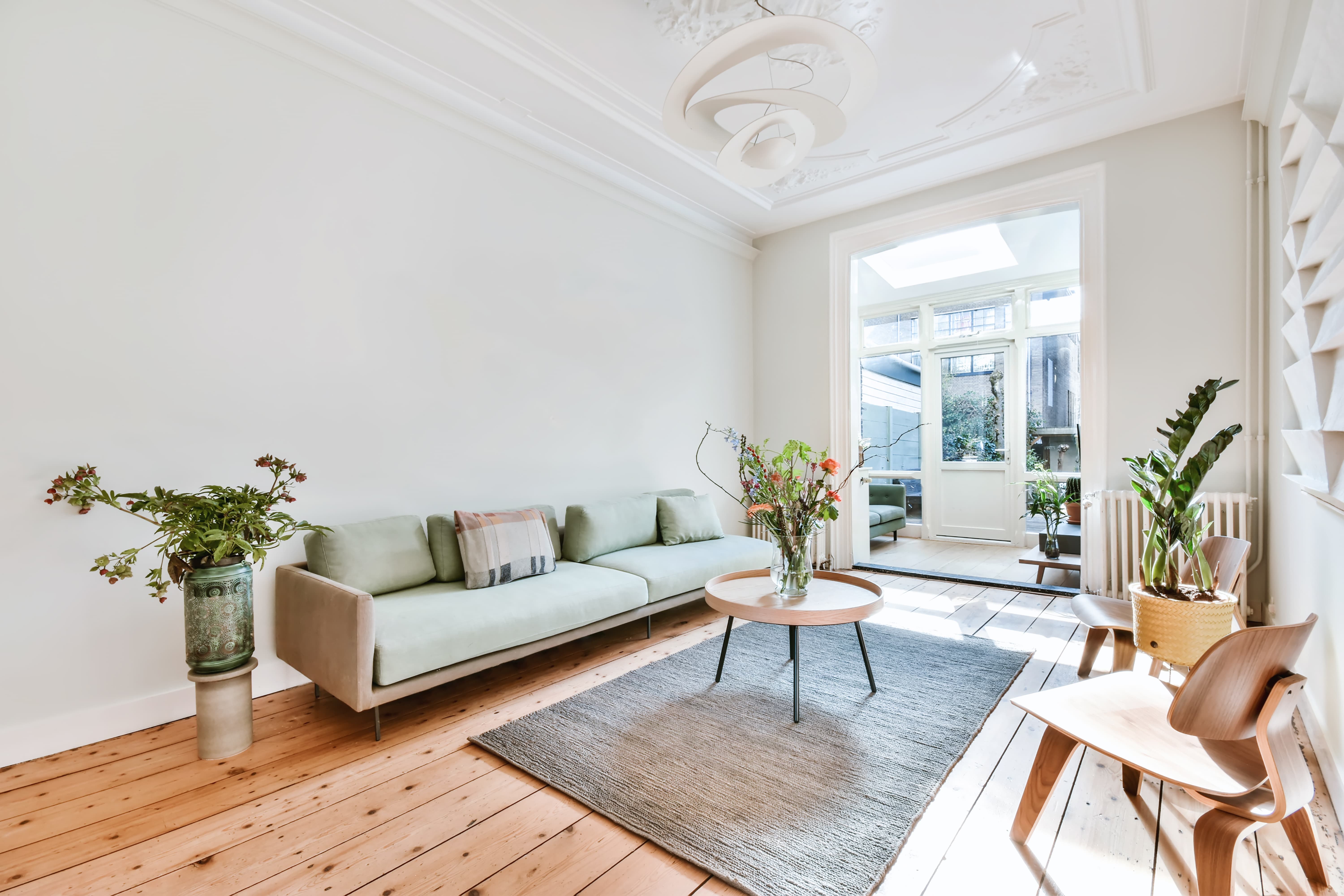
The only real requirement is having enough space for the table. A professional massage table occupies approximately 1.85m x 0.75m. With space for the therapist to work around it, you need a free area of about 2.5m x 2m.
Where it can be:
- Living room: The most common option. Move the sofa or coffee table if needed.
- Bedroom: Works well, especially if you want to sleep right after.
- Office: If you have free space, it’s an option.
- Outdoor space: Large balcony or conservatory, if weather permits and there’s privacy. This works particularly well for a couples massage at home.
What to check:
- Is the floor stable? (tables need flat surface)
- Is there an accessible electrical outlet? (for heated tables or music)
- Does the room have a door that closes? (for privacy)
- Can you circulate around the table area?
If you’re unsure, measure the space and communicate with the service before booking. They can advise.
Ideal Temperature for Your Massage
During massage, you’re partially uncovered and still. The body cools down. What seems comfortable while dressed can be cold during the session.
Ideal temperature: 22-24°C. Slightly warmer than normal.
What to do:
- Turn on heating 30 minutes before in winter
- Turn off air conditioning or set to higher temperature in summer
- Have an extra blanket available, just in case
- Close windows to avoid drafts
The therapist also brings sheets and towels that help maintain warmth, but room temperature makes a difference.
Lighting and Ambiance
Strong, direct light makes relaxation difficult. Ideal is soft, indirect lighting.
Options:
- Close blinds/curtains and use soft artificial light
- Use lamps instead of ceiling lights
- Candles (if you like and it’s safe)
- Let natural light in filtered through curtains
Some therapists bring their own lighting. If you have a preference, communicate beforehand.
Sound and Ambient Music
Background noise affects the experience. Ideally, the space should be quiet or with controlled sound.
What to eliminate:
- Television (even on silent, the light distracts)
- Mobile phones (silence or leave in another room)
- Pets (if possible, in another space during the session)
- Other people moving around the house
Music: Most therapists bring ambient music. If you prefer something else (total silence, your own playlist), say so beforehand. You can create a full spa atmosphere at home with the right setup.
How to Prepare Yourself Before the Massage
You don’t need to do much, but some details help:
Before the session:
- Take a shower (basic hygiene, and warm muscles relax better)
- Don’t eat much in the 1-2 hours before (makes it hard to relax lying down)
- Go to the bathroom before starting
- Drink water (hydration helps)
- Remove jewelry that might interfere (necklaces, bracelets)
Clothing: You can undress to your comfort level. Most stay in underwear. You’re always covered with sheets except the area being worked.
What to have ready:
- Comfortable clothes to wear after
- Water to drink after the session
- If you want, something light to eat afterward
Inform the Therapist
Before or at the beginning of the session, communicate:
- Areas of specific tension or pain
- Relevant injuries or medical conditions
- Allergies (especially to oils or fragrances)
- Pressure preference (light, medium, strong)
- Areas you prefer to avoid (some people do not like foot massage, for example)
- If you are pregnant
The therapist will ask, but having these answers ready speeds things up.
If You Have Pets
Pets can complicate the session:
- Dogs: They may want attention, bark at the unfamiliar therapist, or interfere with the space. Ideally, keep them in another room during the session.
- Cats: They tend to be curious and may want to jump onto the table. Also better in another room.
If animals cannot be separated, notify the therapist in advance. Some do not mind, others prefer to know so they can prepare.
If You Have Children
Children and relaxing massage do not mix well. If you have small children:
- Schedule for when they are at school or with another caregiver
- Schedule for after they are asleep
- Have another adult at home to look after them
For couples massage, this is especially important. Both of you need to be available without interruptions.
Summary: What to Prepare Before the Session
For the space, clear an area of about 2.5m x 2m with a stable floor, an accessible electrical outlet, and a door that closes for privacy.
For the environment, set the temperature to 22-24°C, dim the lights, silence your phones, turn off the TV, and move pets to another room.
Personally, take a shower beforehand, eat a light meal (avoid eating too much in the hour before), visit the bathroom, prepare comfortable clothes to change into afterwards, and have water nearby to stay hydrated during and after the session.
What If You Don’t Prepare Anything?
Honestly? The session happens anyway. Professional therapists adapt. They’ve worked in small spaces, with curious dogs, with less-than-ideal temperature.
Preparation isn’t mandatory, it’s optimization. It makes the difference between a good experience and an excellent one, whether you’re comparing it to a spa visit or not. But if you don’t have time or simply forget, the massage will work.
The most important thing is being present and allowing yourself to relax. Everything else is secondary.
After the Massage
Preparation does not end with the session. To maximise the benefits:
- Drink water: Massage stimulates circulation and hydration helps the body recover
- Avoid intense effort: In the 2-3 hours after, let the body absorb the work done
- Take notes: If you felt particularly tense areas, record them to communicate in the next session for targeted work
- Maintain the atmosphere: Do not turn on the television immediately. Extend the state of calm for as long as possible to maximise the session’s benefits
With regular sessions, this preparation process becomes automatic. After 2-3 sessions, you know exactly what works best for you. See how making massage a habit brings long-term benefits.
Frequently Asked Questions
Do I need to have oils or towels?
No, the therapist brings everything.
What if my apartment is small?
Many small apartments work fine. The table needs less space than you imagine, roughly 2.5 by 2 metres. Temporarily moving a piece of furniture solves it. See our prices to find the right session for your space.
Should I clean the house before?
You don’t need any special cleaning. Just make sure the session space is reasonably tidy and the floor clear of obstacles so the therapist can move freely around the table on all sides.
Does the therapist use my bathroom?
Rarely. If they need to, they will ask permission. You don’t need to prepare anything special. Many therapists bring their own hand-washing supplies.