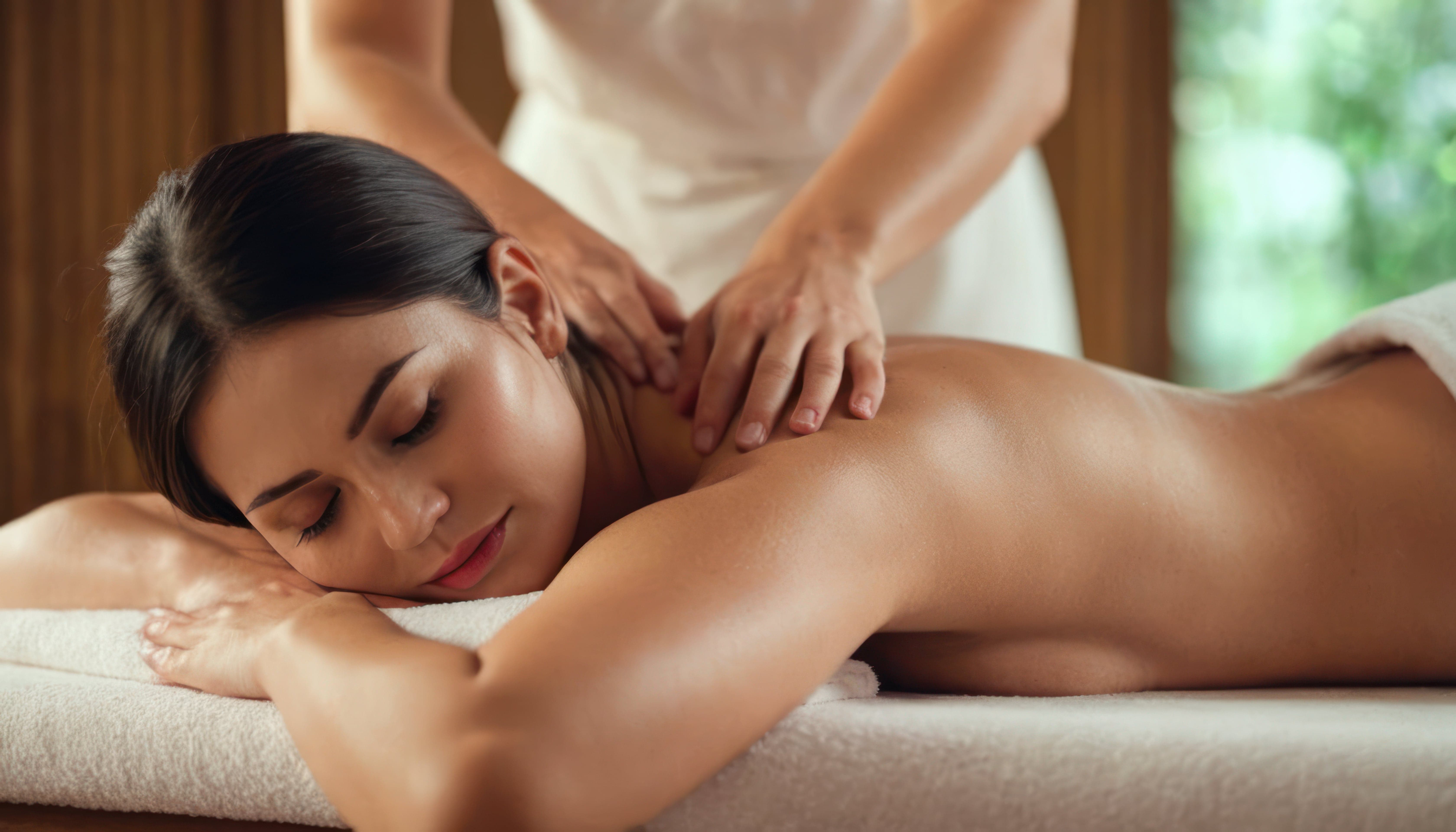
Swedish Massage: What to Expect

The History
Contrary to what the name suggests, Swedish massage wasn’t invented in Sweden. It was developed in the 19th century by Per Henrik Ling, a Swedish physiologist, but the technique we know today was systematized by Johan Georg Mezger, a Dutch physician.
Mezger codified the five base movements that still define Swedish massage today. The technique spread across Europe and America, becoming the reference standard for Western therapeutic massage.
The Five Base Techniques
Swedish massage rests on five distinct movements, each with a specific function:
- Effleurage (gliding): Long, fluid movements along the muscles. This is the opening and closing movement for each area, serving to spread oil, warm tissues, and establish the session’s rhythm. Hands glide with constant pressure, always toward the heart.
- Petrissage (kneading): Tissues are lifted, squeezed, and rolled between fingers and thumbs. This movement works deeper muscle layers, improves circulation, and helps release accumulated tension.
- Tapotement (percussion): Rhythmic beating movements with cupped hands, hand edges, or fingers. Stimulates muscles, increases blood flow, and has an energizing effect. Used moderately and in specific areas.
- Friction: Deep circular movements with thumbs or fingers, applied to specific tension areas. Helps break up tissue adhesions and relieve muscle knots.
- Vibration: Rapid oscillatory movements that make tissues vibrate. Relaxes muscles and nervous system. Can be done with hands or fingers, in localized areas or broader regions.
Benefits of Swedish Massage
Swedish massage offers multiple benefits, validated by decades of research:
Muscle relaxation: Gentle, rhythmic movements induce deep muscle relaxation, relieving accumulated tension without discomfort.
Improved circulation: Work toward the heart stimulates blood flow, helping oxygenate tissues and clear metabolic waste.
Stress reduction: Swedish massage activates the parasympathetic nervous system, reducing cortisol and promoting calm. Studies show significant anxiety reduction after regular sessions.
Pain relief: Effective for mild muscle pain, neck and shoulder tension, and lower back discomfort. Not as intense as deep tissue massage, but works well for many situations.
Improved sleep: Relaxation induced by massage translates to better sleep quality. Many people report falling asleep more easily and sleeping more deeply after sessions.
Increased flexibility: Passive stretching movements and tissue work improve range of motion over time.
General wellbeing: The combination of therapeutic touch, relaxation, and dedicated time for yourself has positive effects on mood and disposition. Discover all the benefits of getting massage regularly.
What Happens in a Session
If you’ve never had Swedish massage, here’s what to expect:
Before the session: The therapist asks questions about your health, tension areas, pressure preferences, and session goal. You can undress to your comfort level. Most people stay in underwear, but you’re always covered with sheets except the area being worked.
Beginning: The session usually starts with the back. The therapist applies oil and begins with effleurage movements to warm the tissues. The rhythm is calm, pressure consistent.
Development: Progressively, the therapist works different areas: back, shoulders, neck, arms, legs, feet. Movements alternate between the five techniques, adapted to each area and your needs.
Communication: At any time you can communicate if pressure is adequate, if there are areas you want the therapist to focus more, or if something is uncomfortable.
Conclusion: The session ends with gentle effleurage movements, gradually bringing you back. The therapist leaves for you to dress at your pace.
After: It’s normal to feel relaxed, sometimes slightly drowsy. Drink water, avoid intense exercise in the following hours, and enjoy the calm state.
Recommended Duration
60 minutes: The standard duration. Allows working the whole body at an adequate pace. Most common choice.
90 minutes: Ideal for a deeper experience. There’s time to work each area calmly, include additional techniques, and not feel rushed.
120 minutes: For those wanting an extended experience. Allows combining massage with other techniques (hot stones, aromatherapy). See our prices for all duration options.
Who Is It For
Swedish massage suits almost everyone:
- First massage: If you’ve never had professional massage, Swedish is the ideal introduction. Gentle, predictable, always comfortable.
- Stress and fatigue: Those who work a lot, sleep little, or live under pressure benefit from the calming effect.
- Moderate tension: For neck and shoulder tension that isn’t severe, Swedish massage is effective.
- Maintenance: As a wellness routine, even without specific complaints.
- Light recovery: After moderate exercise, to help muscles recover.
- Elderly: Gentle pressure is well tolerated by older people.
- Pain sensitivity: Those who don’t tolerate intense pressure find Swedish a comfortable option.
When to Choose Another Technique
Swedish massage may not be the best option when:
- You have severe chronic tension or persistent muscle knots: consider deep tissue
- You are an athlete with specific recovery needs: consider sports massage
- You have an injury or specific medical condition: consult a physiotherapist
- You prefer very intense pressure: Swedish may feel too light
Swedish Massage at Home
Swedish massage adapts perfectly to a home setting. It requires no special equipment beyond a standard table, and the relaxation benefits are amplified when you are in your own environment. Check our prices for home sessions.
Specific advantages of Swedish massage at home:
- You can fall asleep without worry, since you are already home
- The relaxation state naturally extends into your evening
- An already familiar environment contributes to deeper calm
- You can adjust temperature and lighting to your liking
Frequency
There is no fixed rule. The ideal frequency depends on your lifestyle and goals:
- Occasional: When you feel the need. Could be every 2-3 months.
- Monthly: For wellness maintenance. One session per month sustains the benefits.
- Biweekly: For those with high stress or recurring tension.
- Weekly: For those who make massage an integral part of their health routine. Learn more about the benefits of regular massage.
Frequently Asked Questions
Does Swedish massage use oil?
Yes. Oil allows hands to glide smoothly over skin, which is essential for the long flowing strokes that characterise this technique. If you have allergies to specific oils, inform the therapist beforehand. Hypoallergenic alternatives are available.
Can I talk during the session?
You can, but most people prefer silence to relax more deeply. Communicate what you prefer at the start. There is no right or wrong approach.
Will I feel pain?
No, Swedish massage is always comfortable.
How long do effects last?
The immediate feeling of relaxation and reduced tension typically lasts several hours after the session, often carrying into the next morning. Most clients report sleeping better on the night of a massage. With regular sessions, benefits accumulate: your baseline muscle tension drops, stress levels stay lower between appointments, and the body responds more quickly to each subsequent session. Monthly sessions are enough for general maintenance, though fortnightly works better for anyone with recurring tension.