Massage for back pain has moderate scientific evidence according to WHO (2023) and NHS guidelines. Portugal has 63.8% prevalence, the highest in Europe. Studies show benefits when combined with exercise. Sixty-minute weekly sessions for 4 weeks demonstrate effectiveness.
Key takeaways
- Portugal has 63.8% back pain prevalence, the highest in Europe, with 10.4% active chronic low back pain
- WHO (2023), NHS, and ACP guidelines recommend massage as part of multimodal approach, not standalone treatment
- 2024 JAMA review of 129 studies: 7 moderate-certainty conclusions all showed pain benefits, zero serious adverse events
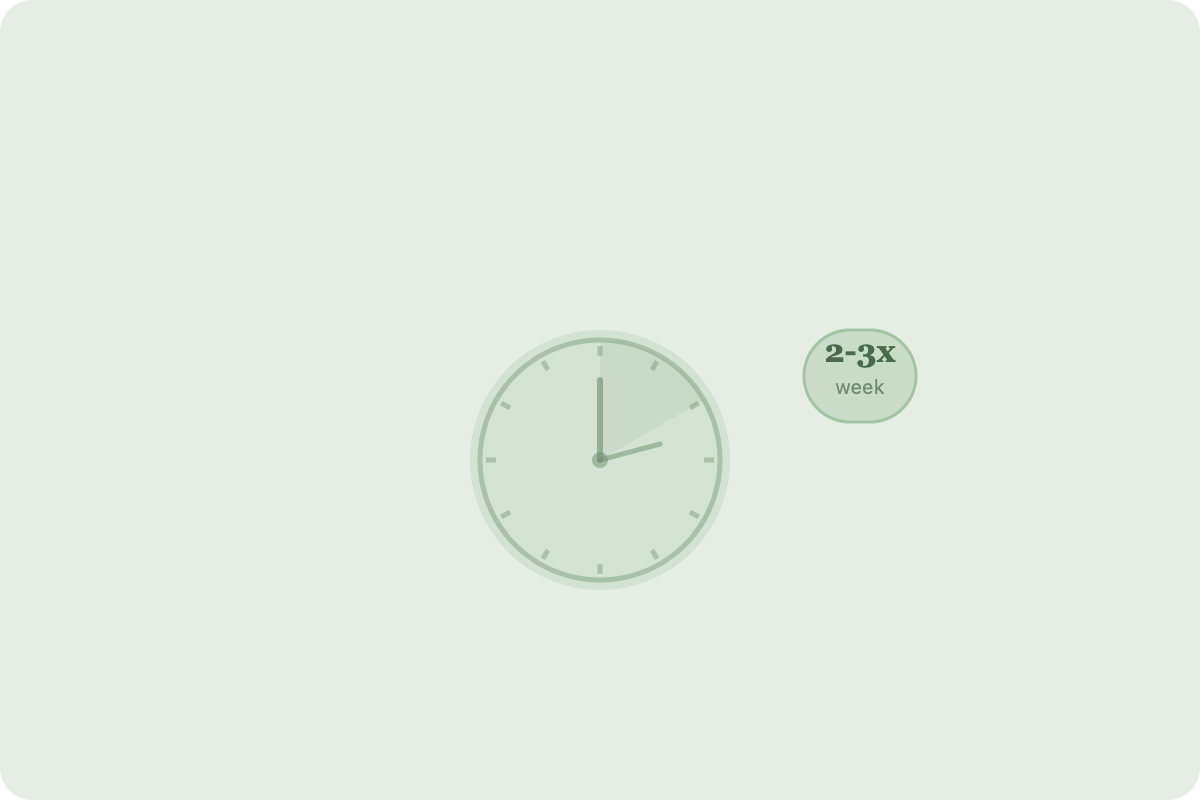
- Sixty-minute (not 30-min) weekly sessions for 3-4 weeks show effectiveness, followed by fortnightly/monthly maintenance
- Deep tissue works for deep muscular tension, Swedish for stress-related pain, sports massage for athletes
Portugal and the Back Pain Epidemic
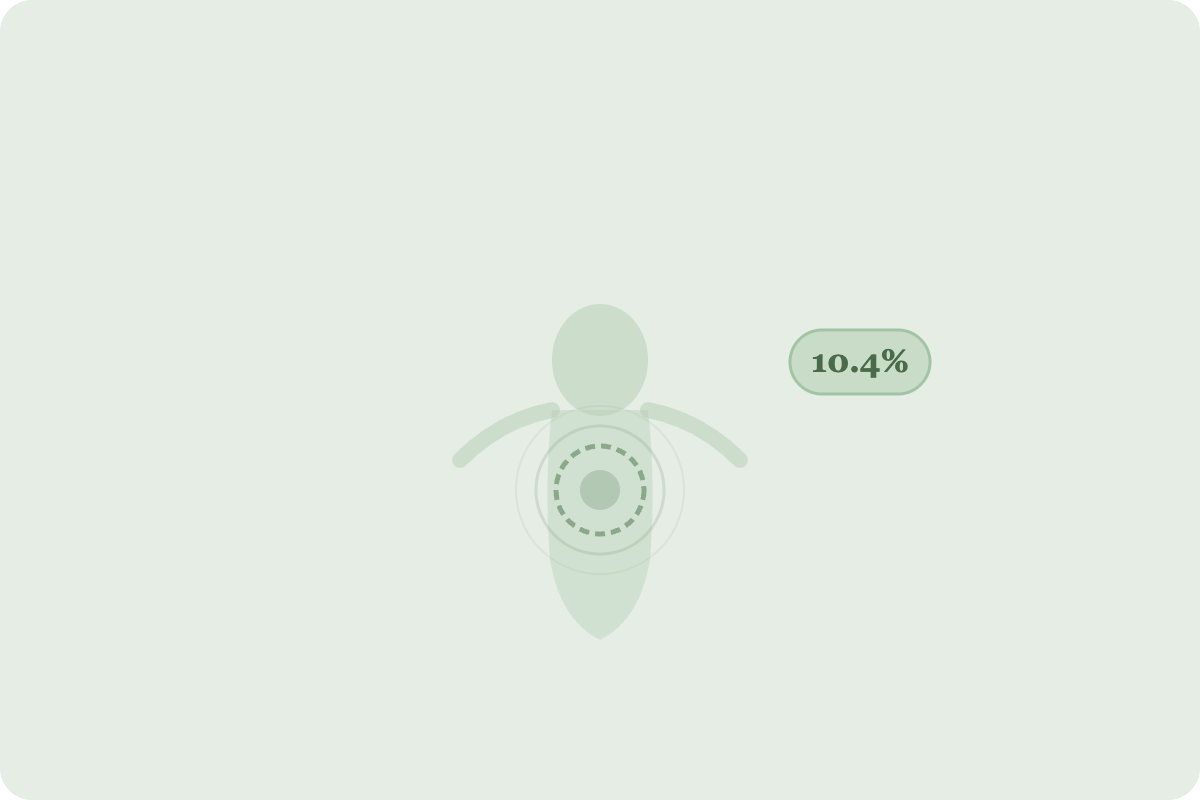
Portugal has a 63.8% back pain prevalence rate, more than double that of some European countries and one of the highest rates in Europe. Among Portuguese office workers, 54.7% report low back pain. Active chronic low back pain (CLBP) prevalence in Portuguese adults reaches 10.4%.
These numbers reflect a reality: 99.2% of Portuguese workers use computers daily, a dramatic increase from 27.4% in 2002. The COVID-19 pandemic exacerbated the problem, increasing sedentary home working, often with inadequate ergonomic setups.
The consequences extend beyond discomfort. People with chronic low back pain in Portugal are 2.77 times more likely to present anxiety symptoms, 1.88 times more likely to take early retirement due to disease, and make an average of 2.65 additional medical visits per year.
Massage frequently emerges as a therapeutic option. But what does the scientific evidence say? When does it work, for what type of pain, and how frequently should it be applied?
What International Clinical Guidelines Recommend
World Health Organisation (2023)
The WHO 2023 guideline indicates that massage "may be offered" for chronic primary low back pain, positioning it alongside other interventions such as dry needling and spinal manipulation. Evidence certainty is classified as "low" or "very low", meaning future studies may alter these conclusions.
Important: "low certainty" does not mean "ineffective". It means available studies have methodological limitations, not that benefits do not exist.
NHS and NICE (United Kingdom)
British guidelines recommend massage only as part of a treatment package that must include exercise and manual therapy, potentially incorporating psychological therapy. Massage alone is not recommended as a standalone treatment. Due to limited NHS resources, the number of sessions is generally restricted to approximately six.
American College of Physicians (ACP)
The ACP recommends massage for acute and subacute low back pain (low-quality evidence). For chronic low back pain, it does not highlight massage as a first-line option, prioritising exercise, multidisciplinary rehabilitation, mindfulness, tai chi, and yoga.
Consensus: Multimodal Approach
Guidelines converge on one point: the best approaches to low back pain combine exercise, manual therapy, education, and when appropriate, cognitive-behavioural intervention. Massage works best as a component of a broader plan, not as an isolated solution.
Recent Scientific Evidence: 2024 JAMA Review
A review published in 2024 in JAMA analysed 129 systematic reviews on massage for pain (2018-2023 period). The results are illuminating:
Conclusions with moderate-certainty evidence: 7
All 7 related to beneficial effects on pain
Zero conclusions reached "high" certainty level, and the remainder were classified as low or very low certainty. However, one crucial finding emerges: no serious adverse events were reported in any of the 129 reviews.
This is fundamental information. Whilst evidence for effectiveness remains mostly "moderate" or "low", the safety profile is consistently excellent when massage is performed by qualified therapists.
Massage Types for Different Pain Patterns
Deep Tissue for Deep Muscular Tension
Deep tissue massage is often the most suitable choice for lumbar or dorsal pain of muscular origin. It works the deep layers of muscle tissue through firm pressure and slow movements, releasing accumulated tension.
It is particularly effective for trigger points, muscular knots that cause localised or referred pain. A trigger point in the quadratus lumborum muscle can radiate pain to the buttock. A point in the upper trapezius can cause headaches.
Contrary to common perception, effective deep tissue is not about brute force. Competent therapists apply progressive pressure, allowing tissue to yield gradually. Discomfort should be intense but controlled, never aggressive.
Sports Massage for Training-Related Pain
If back pain is associated with physical activity (running, weightlifting, cycling, swimming), sports massage combines deep tissue techniques with specific knowledge of muscular stress patterns for each activity.
Weightlifting practitioners frequently develop dorsal pain from imbalances between overdeveloped pectorals and weakened upper back musculature. Runners accumulate lumbar tension from repetitive impact and poor gluteal activation.
Sports massage does not only treat the pain site. It addresses the complete kinetic chain: rigid hips that pull on the pelvis, weak glutes that fail to stabilise the spine, thoracic stiffness that forces lumbar compensation.
Swedish Massage for Stress-Associated Pain
Not all back pain is structural. Stress is a powerful amplifier of muscular tension. When you are anxious or under pressure, the body contracts involuntarily. Upper trapezius, rhomboid, lumbar paravertebral muscles: these are the zones where stress accumulates physically.
If your back pain worsens during intense work periods and improves on holiday, if you feel tightness rather than acute pain, Swedish massage may be more effective than deep tissue. It uses long, flowing movements that activate the parasympathetic nervous system ("rest and repair" mode).
For stress-related pain, the solution may be less about "fixing" muscles and more about calming the nervous system that keeps them tense.
Myofascial Release for Diffuse Stiffness
If back pain is not a specific point but a diffuse sensation of stiffness that spreads over a broad area and limits movement, myofascial release may be the indicated approach.
This technique works the fascia (connective tissue that surrounds muscles) through slow, sustained pressure without oil. The therapist positions hands and waits for tissue to yield. There is no repetitive gliding as in conventional massage.
For those who spend many hours seated, lumbar and dorsal fascia tends to lose elasticity and adhere, creating an "armour" sensation that restricts movement. Myofascial release restores mobility in ways conventional muscular massage cannot always achieve.
Duration and Frequency: What Research Recommends
Clinical studies provide clear dose-response guidance. For lumbar or cervical pain, 60 minutes is the minimum recommended duration. Thirty-minute sessions proved ineffective in clinical trials, not being significantly better than waiting list (control group).
Sixty-minute sessions allow adequate time for warm-up, focused work on affected areas, and appropriate finishing. If pain involves multiple regions (lumbar, dorsal, and shoulders), 90 minutes allows addressing everything without compromising any area.
Evidence-Based Frequency
Initial phase (acute or persistent chronic pain): Weekly sessions for 3-4 weeks. Studies show consistent benefits typically emerge after 4 weeks of regular treatment.
Maintenance phase: After resolving acute complaint, fortnightly or monthly sessions help prevent recurrences. Low back pain tends to be recurrent, especially if risk factors (sedentary lifestyle, inadequate posture, stress) remain.
Booster treatments: Evidence suggests spaced booster sessions prolong benefits. For example, 6 additional weekly sessions after initial treatment showed extended improvements in function and pain reduction.
When Massage Is Not Enough
Massage is a powerful tool but not the only one. If back pain includes numbness, tingling, loss of strength, or pain radiating to legs, consult a doctor before booking massage. These symptoms may indicate intervertebral disc or nerve involvement requiring medical assessment.
Signs requiring priority medical evaluation:
- Pain progressively worsening despite rest
- Pain following trauma (fall, accident)
- Numbness or tingling in legs or genital area
- Muscle weakness in legs
- Loss of sphincter control
- Fever associated with back pain
- History of cancer, osteoporosis, or immunosuppression
If you have had regular massage for several weeks without improvement, something else may be involved. A physiotherapist or osteopath can provide differential diagnosis that complements massage treatment.
Best outcomes for chronic low back pain typically involve multiple approaches: massage for soft tissue, exercise for strength and stability, ergonomic adjustments for prevention. Massage treats tissue. Exercise and habit change prevent recurrence.
Portuguese Context: Why These Numbers Matter
Portugal's high back pain prevalence (63.8%) is not coincidental. It reflects structural changes in work: dramatic increase in sedentary work (99.2% use computers), long hours seated, frequently inadequate ergonomics, and psychosocial factors such as high job demands with low control.
Portugal's wellness economy reached €21 billion in 2024, representing 6.8% of GDP (above global average of 6.1%). Per capita wellness spending is €1,961, exceeding the European average. This investment reflects growing recognition that preventive health approaches make economic and personal sense.
For Portuguese office workers with low back pain, regular massage can reduce medical visits (which CLBP patients make 2.65 times more frequently), improve function and quality of life, and potentially reduce risk of early retirement due to disease.
Home Massage: Removing Treatment Barriers
When your back hurts intensely, the prospect of driving to a clinic, finding parking, climbing stairs, and then repeating the return journey is enough to postpone treatment. Sitting in a car with low back pain or sciatica aggravates the symptoms you are trying to treat.
Home massage removes these barriers. The therapist arrives at your door with professional massage table, linens, and oils. The session occurs in your chosen room. When it ends, you can apply heat, rest, or simply avoid unnecessary movement.
For acute pain, this is not a question of convenience but real treatment accessibility. RHEA in Lisbon and Porto operates from 8am to midnight, 365 days a year, with prices from €95 for 60 minutes and always free cancellations.
What to Expect During and After Sessions
First Session
The therapist conducts initial assessment: locates pain zones, evaluates posture, tests range of motion, identifies compensation patterns. The first session establishes baseline and initiates work. You may feel immediate relief or sensitivity in the treated area in the following 24-48 hours. Both are normal.
Typical Progression
Subsequent sessions deepen work based on body response. Typically, improvement is progressive: pain reduction, increased range of motion, fewer acute pain episodes during the week.
After the Session
In the following 24-48 hours you may experience:
Immediate relief: Tight muscles feel looser, restricted movements feel freer. Most people notice improvement immediately after the session.
Moderate soreness: Especially after deep tissue or deep therapeutic work, you may feel a sensation similar to what follows moderate exercise. This typically peaks at 12-24 hours and disappears within 48 hours.
Sleep improvement: Many people with back pain report better sleep quality the night after massage. Less pain means fewer position changes during the night.
Drinking water, applying moderate heat, and avoiding intense exercise for the rest of the day support recovery.
Integration with Other Approaches
As clinical guidelines emphasise, massage works best as part of a multimodal approach. Between sessions, consider:
Strengthening exercise: Strong core (deep abdominals, obliques, transversus) and functional glutes stabilise the spine and reduce load on back muscles.
Regular stretching: Shortened hip flexors, tight hamstrings, and rigid thoracic musculature contribute to low back pain. Ten minutes of daily stretching makes measurable difference.
Ergonomics: If you spend hours seated, invest in an appropriate chair, position screen at eye level, use lumbar support, stand up every 30-45 minutes.
Stress management: Breathing techniques, mindfulness, or simply regular breaks reduce stress-related muscular tension.
The therapist may recommend specific exercises or postural adjustments based on assessment of your particular situation. Following these recommendations accelerates results and prolongs benefits of each session.
Transparency About Evidence and Expectations
It is important to be clear: massage for low back pain has mostly "moderate" or "low" evidence in terms of scientific certainty. This does not mean it does not work. It means available studies have methodological limitations and future research may refine these conclusions.
However, seven conclusions reached "moderate" certainty level and all showed pain benefits. No serious adverse events were reported in 129 systematic reviews. The risk-benefit profile is favourable.
For many people with back pain, especially when combined with exercise and lifestyle adjustments, massage provides measurable relief and functional improvement. Expectations should be realistic: it is not a miracle cure, but a valid component of evidence-based low back pain management.
Book your home massage
Book a Massage →Frequently Asked Questions
Deep tissue and myofascial release are the most effective approaches for muscular-origin low back pain, according to clinical studies. Swedish massage works better when pain is stress-related. The therapist assesses your specific situation and may combine techniques. Clinical guidelines recommend massage as part of a multimodal approach that includes exercise.
Clinical studies show that weekly 60-minute sessions for 3-4 weeks produce consistent benefits for low back pain. For chronic pain, after the initial phase, fortnightly or monthly sessions help maintain results. Thirty-minute sessions proved ineffective in controlled clinical trials.
Yes. A 2024 JAMA review analysed 129 systematic reviews: 7 conclusions reached moderate certainty and all showed beneficial effects on pain. WHO (2023) and NHS recommend massage for low back pain as part of multimodal treatment. No serious adverse events were reported in the studies.
In most cases yes, provided the therapist knows the diagnosis and adapts the approach. Massage does not work the disc but relieves surrounding muscular tension that frequently aggravates symptoms. Always inform of diagnosed conditions before the session. If you have radiating pain, numbness, or leg tingling, consult a doctor first.
Portugal has 63.8% back pain prevalence, one of Europe's highest. This reflects 99.2% of workers using computers daily (versus 27.4% in 2002), sedentary work, inadequate ergonomics, and COVID-19 impact on home working. Portuguese office workers: 54.7% report low back pain.