Optimal frequency varies by goal: monthly for general maintenance, fortnightly for stress management, weekly (4-8 weeks) for chronic pain then fortnightly, and weekly to twice weekly for athletes. Clinical studies show 60-minute sessions are more effective than 30 minutes, and regularity produces better results than sporadic longer sessions.
Key takeaways
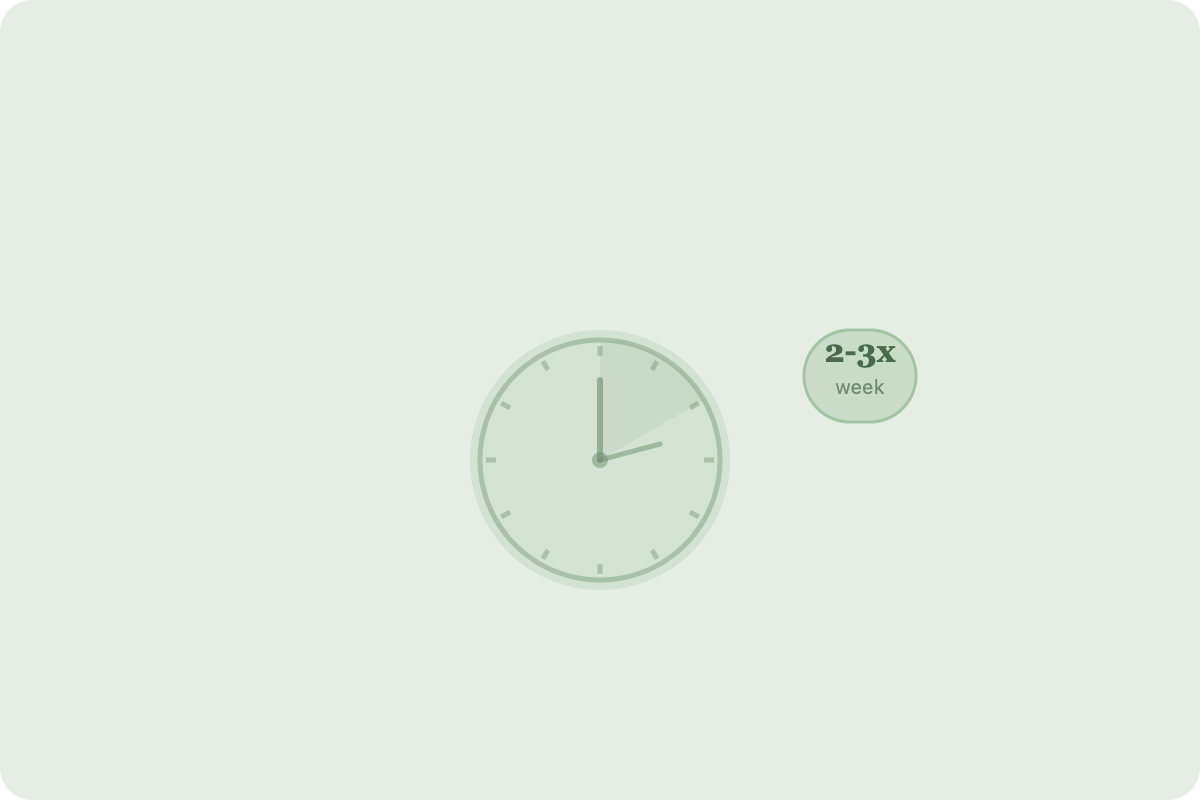
- 60-minute sessions 2-3x/week increase likelihood of neck pain improvement by 2.30-4.98 times (clinical trial with 228 participants)
- 30-minute sessions proved ineffective regardless of frequency, establishing 60 minutes as minimum effective duration
- 67% of Americans seek massage for medical or stress reasons, legitimising frequency recommendations as clinical interventions
- WHO 2023 guidelines and American College of Physicians include massage for chronic low back pain with evidence similar to many conventional treatments
- Home massage increases consistency by eliminating logistical barriers, making it easier to maintain evidence-based frequency
What the Science Says About Frequency
Research establishes clear parameters. A clinical trial conducted in Seattle with 228 participants experiencing chronic neck pain tested different combinations of session length and frequency over four weeks. The results were unequivocal.
30-minute sessions produced no significant improvements, regardless of frequency. Even when performed three times weekly, they did not differ from the waitlist control group receiving no treatment. The minimum effective duration was 60 minutes.
For 60-minute sessions performed twice weekly, the likelihood of improvement in neck dysfunction increased 3.41-fold and pain intensity 2.30-fold. With three weekly sessions, these values rose to 4.98 and 2.73 respectively. The dose-response relationship is clear: greater frequency produces better outcomes.
But optimal frequency varies by objective. For knee osteoarthritis, one weekly 60-minute Swedish massage session significantly reduced pain. For rheumatoid arthritis, a four-week protocol improved grip strength and range of motion. Tension headaches responded within the first week of regular treatment.
Important Context: Among American massage users, 67% seek treatment for medical (41%) or stress (26%) reasons, not purely relaxation. This legitimises frequency recommendations as clinical interventions, not luxury services.
Frequency for Each Goal
General Wellness and Maintenance
Evidence-based recommendation: monthly (once per month)
For individuals without specific complaints seeking to maintain flexibility, prevent accumulated tension, and incorporate regular self-care, one monthly session is the recommended starting point. The American Massage Therapy Association reports that 51% of massage users in 2023 sought sessions to relax and manage stress.
Monthly sessions function as preventive maintenance. They counteract tension accumulating from daily life: hours seated, phone posture, carrying shopping, repeated minor exertions. They prevent minor discomfort from developing into larger problems.
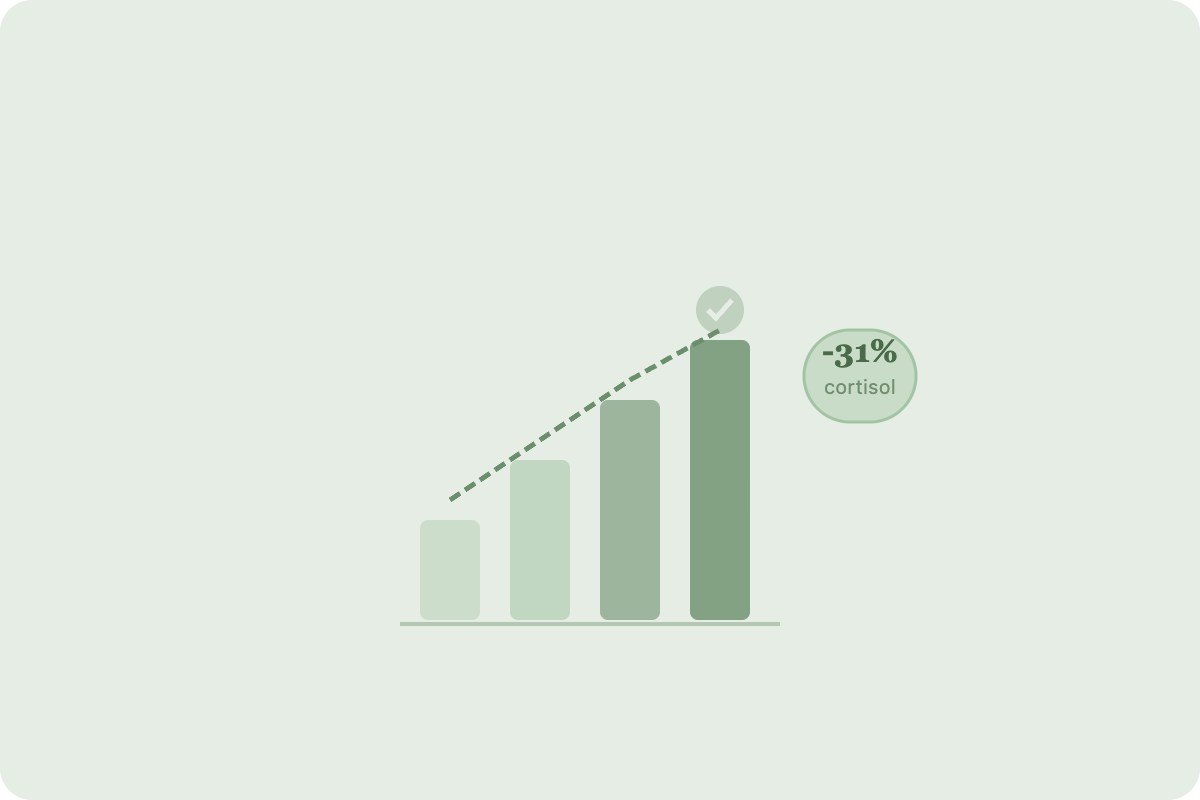
Documented benefits of monthly frequency include improved sleep quality, reduced cortisol levels, and maintained range of motion. These effects are cumulative: each session builds on the previous, creating a baseline of lower tension that persists between appointments.
Stress and Anxiety Management
Evidence-based recommendation: fortnightly or weekly (once per week or every two weeks)
A meta-analysis of 37 studies concluded that massage reduces anxiety and depression symptoms, with effects being cumulative through regular sessions. A 2024 review identified 34 high-quality studies showing meaningful anxiety reductions. Clinical trials at Emory University demonstrated that people with Generalised Anxiety Disorder felt real improvements after just five Swedish massage sessions.
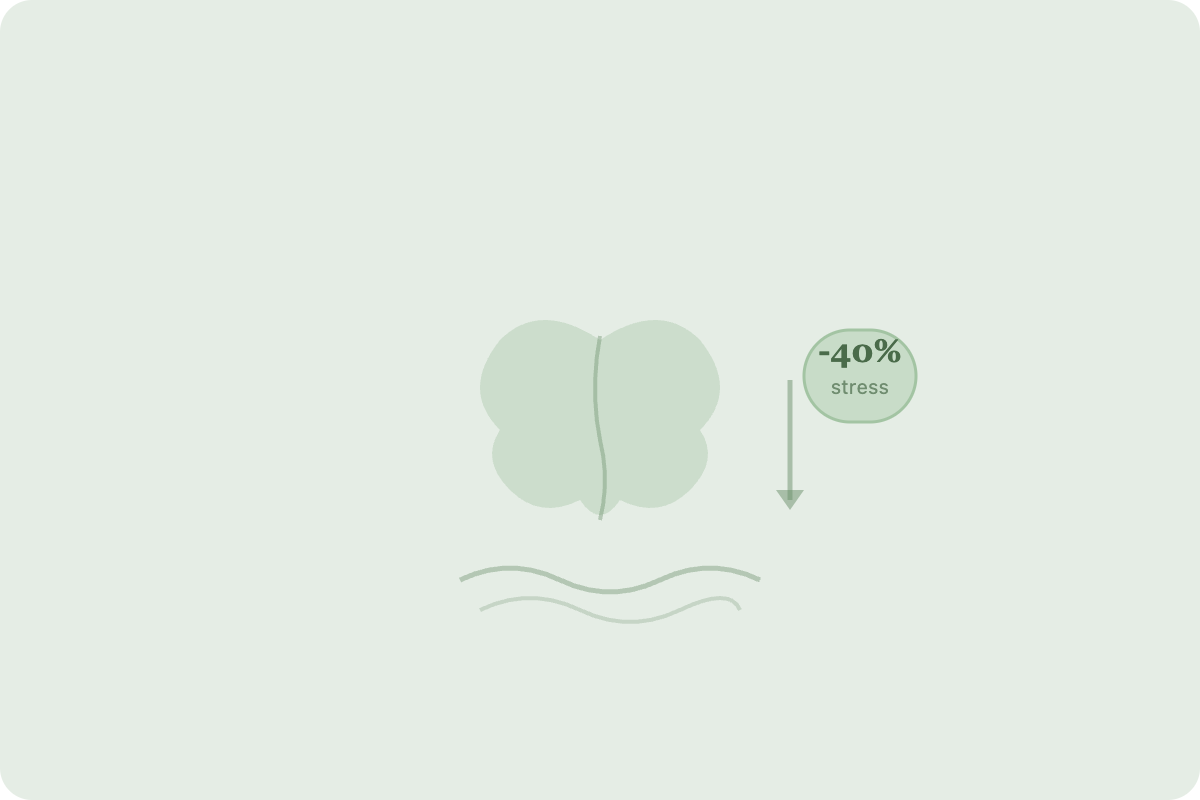
For individuals experiencing elevated professional or personal stress, monthly sessions are insufficient. Chronic stress manifests physically: shoulder tension, insomnia, headaches, generalised stiffness. Fortnightly sessions interrupt this cycle before tension becomes permanently established.
Research demonstrates that massage reduces anxiety symptoms through multiple mechanisms: parasympathetic nervous system activation, increased vagal activity, neurotransmitter modulation. The neurological response to touch occurs regardless of belief in efficacy, making it a reliable intervention.
Professionals in high-pressure fields particularly benefit from this frequency. Many describe fortnightly massage as the most cost-effective investment in their performance and mental health.
Chronic Pain and Musculoskeletal Problems
Evidence-based recommendation: weekly in initial phase (4-8 weeks), then fortnightly for maintenance
The World Health Organisation's 2023 guidelines include massage as an intervention that "may be offered" for chronic primary low back pain. The American College of Physicians recommends massage for acute and subacute low back pain. Both acknowledge the evidence quality as "low" or "moderate", but this level is similar to many conventional interventions.
For chronic neck pain, low back pain, fibromyalgia, or persistent muscular tension, the approach follows three phases:
Initial Phase (Weeks 1-4): One to two weekly 60-minute sessions. The objective is breaking the pain cycle and reducing tension accumulated over months or years. 30-minute sessions proved ineffective in clinical trials. This phase requires concentrated treatment to create measurable changes.
Consolidation Phase (Weeks 5-8): Transition to weekly sessions. The body has responded to initial treatment, and weekly maintenance consolidates gains. Deep tissue massage combined with gentler techniques produces optimal results in this phase.
Maintenance Phase (From week 9): Transition to fortnightly sessions. Studies recommend booster doses: six additional weekly 60-minute sessions extend benefits. Without continued treatment, benefits diminish after 14 weeks.
This progressive pattern is more effective than sporadic sessions. Each session builds on the previous rather than restarting from baseline. A 2024 JAMA review of 129 systematic reviews on massage for pain found zero high-certainty conclusions but seven moderate-certainty conclusions, all related to beneficial effects on pain, with no serious adverse events reported.
Athletes and Sports Practitioners
Evidence-based recommendation: weekly to twice weekly depending on training intensity
For recreational training (3-4 sessions per week), one weekly sports massage maintains recovery and prevents tension accumulation. For intense training (5-7 sessions per week), two weekly sessions may be necessary: one focused on circulatory recovery, another on structural therapeutic work.
During competitive periods, frequency adjusts to training calendar. In days before competition, light preparation sessions. In days following, more intense recovery sessions. Synchronisation with training plan maximises results.
Research with athletes demonstrates that weekly massage reduces inflammation markers, improves muscular recovery, and may prevent injuries. It is a performance optimisation tool, not merely comfort.
Office Workers and Sedentary Work
Evidence-based recommendation: fortnightly to monthly
Prolonged seated position is a primary cause of muscular pain in adults. The COVID-19 pandemic intensified working from home, sedentary behaviour, and extended screen time, exacerbating musculoskeletal problems across populations.
Prolonged sitting creates predictable tension patterns: neck, shoulders, lower back. Optimal frequency depends on activity level outside work. For sedentary profiles (minimal physical activity), fortnightly sessions counterbalance seated hours. For moderately active profiles (exercise 2-3 times weekly), monthly sessions may suffice.
Home massage is particularly relevant for this population. It eliminates post-work travel, historically the greatest barrier to consistency. With RHEA, sessions are available from 8am to midnight seven days weekly, allowing massage to fit into routine rather than compete with it.
| Goal | Recommended Frequency | Evidence Level |
|---|---|---|
| General maintenance | Monthly | Clinical consensus, wellness studies |
| Stress management | Fortnightly or weekly | Meta-analysis of 37 studies, documented anxiety reduction |
| Chronic pain (initial) | 1-2x per week (4-8 weeks) | DREAM trial (RR 2.30-4.98), clinical guidelines |
| Chronic pain (maintenance) | Fortnightly | Booster dose studies, 4-week protocols |
| Athletes (recreational) | Weekly | Muscle recovery studies, injury prevention |
| Athletes (competitive) | 2x per week | Performance protocols, inflammation markers |
| Sedentary work | Fortnightly to monthly | Office worker studies, pain prevalence data |
How to Know If Your Frequency Is Right
The body communicates whether frequency is appropriate. Three indicators help evaluate:
Duration of relief: If tension returns completely before your next session (for example, by the third day after massage), frequency is insufficient. If you maintain 70-80% of relief until the following session, it is adequate.
Progression over time: With correct frequency, each session starts from a better point than the previous. Baseline tension level progressively decreases. If each session restarts from the same point, you need greater frequency or longer sessions.
Functional impact: Frequency is correct when it allows you to maintain daily activities without limitation from tension or pain. If normal activities are frequently interrupted by discomfort, increase frequency.
Adjustments are normal. Periods of greater stress, activity changes, or new physical demands may require temporary frequency increases. Similarly, sustained improvements allow gradual reduction.
Home Massage Facilitates Consistency
Research is clear about the importance of regularity, but logistics is the greatest obstacle. Travelling to a spa requires coordinating schedules, facing traffic, finding parking, waiting. Total time investment for a 60-minute session can easily exceed two hours.
Home massage collapses this barrier. The therapist arrives at your door with professional table, quality oils, and complete equipment. When the session ends, you are home. Time investment is the session itself, plus 10-15 minutes preparation.
This logistical difference has direct impact on consistency. Clients who switch from spa sessions to home almost always naturally increase frequency, because friction disappears. The difference between "thinking about getting massage" and "actually getting it" is a simple booking.
With prices from €95, availability from 8am to midnight daily, and free cancellations, RHEA makes it practical to maintain the frequency science recommends. Whether your ideal protocol is weekly Mondays at 8pm or fortnightly Saturdays at 10am, flexibility exists to build a routine that adapts to your life.
Practical Recommendations to Start
If uncertain where to begin, this approach works well:
Identify your primary profile: maintenance, stress, chronic pain, athlete, or sedentary worker. Begin with the recommended frequency for that profile. Maintain for four weeks without changes.
Evaluate after four weeks using the three indicators mentioned: duration of relief, progression between sessions, and functional impact. Adjust frequency as needed. If tension returns too early, increase. If you maintain stable improvements, you may eventually reduce.
Consider seasonal variations. Periods of greater demand (financial quarter end, project deadlines, event preparation) may justify temporary increases. Calmer periods (summer holidays, December) may allow reductions.
The goal is not a rigid schedule but an adaptive response to the body's real needs. The best frequency is one you can maintain consistently over months and years, because consistency is what transforms temporary relief into lasting change.
Book your home massage
Book a Massage →Frequently Asked Questions
No. For athletes, people with chronic pain, or elevated stress, weekly massage is recommended and safe. Clinical studies show weekly 60-minute sessions produce better results than more spaced sessions. The body benefits from regular attention, especially during initial treatment phases for pain.
One monthly 60-minute session is the minimum recommended for maintenance and general wellness. For chronic pain, studies show 4 weeks of weekly treatment are necessary to create measurable changes. For stress, fortnightly sessions produce significant cumulative effects on anxiety reduction.
A clinical trial with 228 participants showed 30-minute sessions produced no significant improvements for chronic neck pain, regardless of frequency. Minimum effective duration was 60 minutes. Shorter sessions may provide relaxation but lack the same scientific support for therapeutic outcomes.
Two fortnightly 60-minute sessions produce better results than one monthly 120-minute session. Regularity exceeds duration. The body responds better to frequent moderate stimuli than intense spaced stimuli, allowing each session to build on the previous.
You can reduce when you maintain 70-80% of relief between sessions, when each session starts from a better point than the previous, and when daily activities are not limited by tension or pain. Typical progression is from weekly to fortnightly, then monthly, adjusting according to body response.