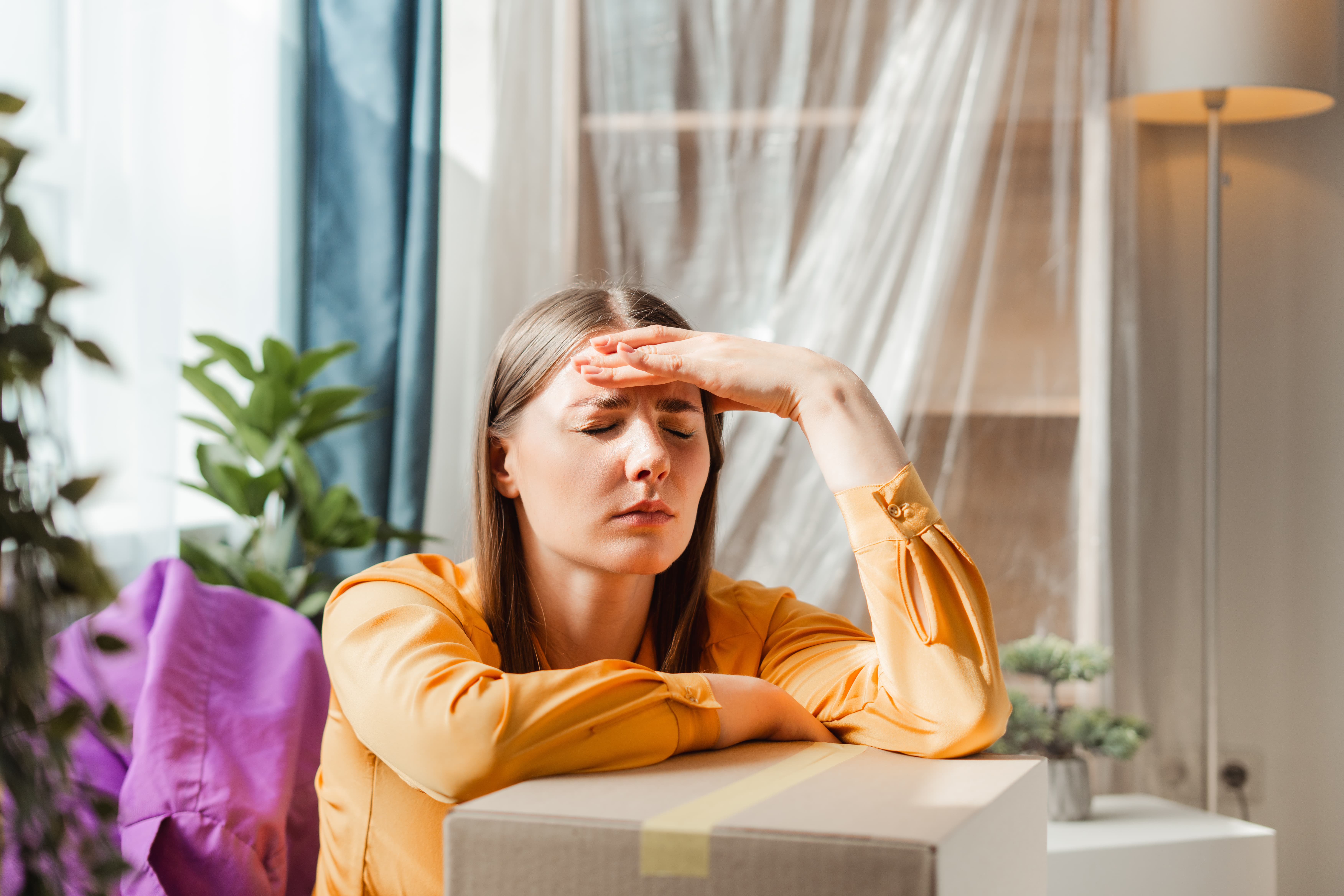
Stress and Anxiety: How Massage Can Help
Massage addresses this problem at its root: the body. By working directly on the muscular and nervous systems, it creates physiological changes that the mind then follows. It is not a replacement for therapy or medical treatment when those are needed. But as a regular practice, it is one of the most effective ways to interrupt the stress cycle before it becomes chronic.

What Stress Does to Your Body
Understanding why massage helps requires understanding what stress actually does. The stress response is a survival mechanism. When your brain perceives a threat, it triggers the sympathetic nervous system, your “fight or flight” mode. Cortisol and adrenaline flood your bloodstream. Your heart beats faster. Your muscles tense, ready to act.
This is useful if you are running from danger. It is not useful if you are sitting at a desk worrying about deadlines. The problem with modern stress is that the threat never passes. The deadline is followed by another deadline. The financial worry persists. The difficult relationship continues. Your body stays in a state of low-grade alarm for weeks, months, or years.
The physical consequences accumulate. Chronically tight muscles in the neck, shoulders, and lower back. Tension headaches. Jaw clenching. Digestive problems. Poor sleep. Weakened immune function. These are not separate conditions. They are symptoms of a nervous system that has forgotten how to switch off.
How Massage Interrupts the Cycle
Massage activates the parasympathetic nervous system, your “rest and digest” mode. This is the opposite of the stress response, and research suggests it may produce several positive changes:
Cortisol drops: Studies consistently suggest that massage may help reduce cortisol levels. One widely cited meta-analysis found significant reductions in cortisol following massage therapy. Lower cortisol is associated with reduced inflammation and may support immune function.
Serotonin and dopamine increase: These neurotransmitters are associated with mood regulation and feelings of well-being. Research indicates measurable increases in both after massage.
Heart rate and blood pressure decrease: As the parasympathetic system engages, cardiovascular markers normalise. Breathing deepens. The body shifts from alert to calm.
Muscle tension releases: The physical holding patterns created by chronic stress begin to unwind. Shoulders drop. Jaws unclench. Backs soften. This physical release feeds back into the nervous system, reinforcing the shift toward calm.
This is not a temporary trick. With regular sessions, the body learns to return to a relaxed baseline more easily. It is like training a muscle: the more frequently you activate the parasympathetic response, the more accessible it becomes.
Which Massage Type Works Best for Stress
Swedish massage is the foundation for stress and anxiety relief. Its long, flowing strokes, gentle kneading, and rhythmic movements are specifically designed to calm the nervous system. The pressure is moderate, the pace is unhurried, and the focus is on the body as a whole rather than isolated problem areas.
For people whose stress manifests as significant muscle tension (particularly in the neck, shoulders, and upper back), a combination approach works well. The therapist begins with Swedish techniques to settle the nervous system, then transitions to deeper work on the areas holding the most tension, before finishing with gentler strokes that reinforce relaxation.
Aromatherapy can enhance the effect. Lavender, in particular, has robust evidence supporting its anxiety-reducing properties. When combined with massage, the olfactory stimulus adds another pathway to calm.
The broader benefits of regular massage extend well beyond the hour spent on the table. Improved sleep quality, better pain management, and a greater sense of control over your physical state all contribute to reduced anxiety over time.
The Advantage of Massage at Home
For someone dealing with stress or anxiety, the prospect of travelling to an appointment can itself be a source of tension. Finding parking, arriving on time, interacting with reception staff, sharing a waiting room with strangers: these are small stressors, but for an anxious person, they add up.
Home massage removes all of this. The therapist comes to you. You are already in your safe space. There is no rush, no travel, no social performance. You can be in your pyjamas five minutes before the session starts. When it ends, you stay exactly where you are.
This continuity matters. The transition from “being out in the world” to “relaxing” requires a psychological shift that takes time. At home, that shift is minimal. You are already in your relaxation environment. The massage deepens a state your surroundings already support.
Post-session, the benefits are maximised. You can dim the lights, put on quiet music, take a warm bath, or simply sit in silence. There is no commute to jolt you back into alertness. The calm persists.
Building a Regular Practice
The research on massage and anxiety consistently points toward one finding: regularity matters more than intensity. A single massage produces temporary relief. A weekly or fortnightly routine produces cumulative change.
Think of it like exercise. One gym session does not transform your fitness. But consistent training over weeks and months reshapes your body. Massage works the same way for your nervous system. Each session reinforces the parasympathetic response, making it stronger and more accessible.
A practical schedule for stress management:
- Acute stress period: Weekly sessions for three to four weeks to establish a new baseline
- Maintenance: Fortnightly sessions to sustain the benefits
- Preventive care: Monthly sessions when stress levels are manageable, with the option to increase frequency during difficult periods
Choosing the best time for your massage also plays a role. Evening sessions tend to work well for stress, as they prepare the body for quality sleep. But some people prefer a morning session that sets a calm tone for the day. Experiment to find what suits your rhythm.
Massage as Part of a Broader Strategy
Massage is not the only tool for managing stress and anxiety, and it works best alongside other practices. Regular physical activity, adequate sleep, social connection, time in nature, and, when appropriate, professional psychological support all contribute to resilience.
What massage offers that these other practices sometimes lack is passivity. You do not have to perform. You do not have to push through discomfort. You do not have to motivate yourself. You simply lie down and receive. For someone who is exhausted by the effort of managing anxiety, this matters enormously. It is care that requires nothing from you.
For those who find meditation difficult (and many anxious people do, because sitting with their thoughts can amplify worry rather than calm it), massage provides a physical pathway to the same state. The body leads and the mind follows. You do not need to quiet your thoughts. The therapist’s hands do it for you, through your muscles.
Practical Details
RHEA operates across Porto and Lisbon from 8am to midnight, 365 days a year. Sessions start at 60 minutes, with prices from €95. Hotel spas charge €150 or more for a comparable session, with the added burden of travel and scheduling around their hours.
All cancellations are free. This is particularly relevant for people with anxiety, who may hesitate to book because they worry about being penalised if they cannot go through with it. There is no risk. If the day comes and you are not feeling up to it, you cancel without cost.
For longer-term stress management, many clients establish a regular fortnightly booking. The same therapist, the same time, the same routine. This consistency itself becomes a stabilising element in a life that may feel otherwise unpredictable.
The Physical and the Emotional Are Not Separate
Western culture often treats the body and mind as distinct entities. Stress is a “mental” problem. Back pain is a “physical” one. In practice, they are deeply intertwined. Chronic stress causes chronic tension. Chronic tension causes chronic pain. Chronic pain causes more stress. The cycle feeds itself.
Massage may help break the cycle at the body level. It does not ask you to think your way out of anxiety. It does not require willpower or discipline. It addresses the physical component of emotional distress directly, and in doing so, may create space for the emotional component to ease as well.
This is not mystical. It is physiology. Your nervous system responds to touch. Your hormones respond to your nervous system. Your mood responds to your hormones. The chain is supported by a growing body of research. All you need to do is show up. Or, with home massage, simply open the door.
Frequently Asked Questions
Can massage replace medication for anxiety?
Massage is a complement, not a replacement. If you are on medication prescribed by your doctor, continue taking it. Many people find that regular massage reduces their reliance on sleep aids or muscle relaxants over time, but any changes to medication should be discussed with your healthcare provider.
How quickly does massage reduce stress?
Most people feel calmer within the first 15 to 20 minutes. Research suggests that cortisol levels may begin to decrease during a single session.
Is deep tissue massage good for anxiety?
Not always. If you are highly anxious, the intensity of deep tissue can sometimes feel threatening to the nervous system rather than calming. Swedish or medium-pressure massage is generally more effective for anxiety. Deep tissue is better for chronic muscular tension that exists alongside stress, but should be introduced gradually.
What if I feel emotional during a massage?
This is normal and more common than people expect. The body stores tension connected to emotional experiences, and releasing that tension can bring emotions to the surface. It is not a sign that something is wrong. Your therapist is accustomed to this and will give you space without judgement.
How long do the stress-relief effects last?
A single session provides calm for one to three days, but with regular weekly or fortnightly sessions the baseline effect compounds so you feel less stressed overall.