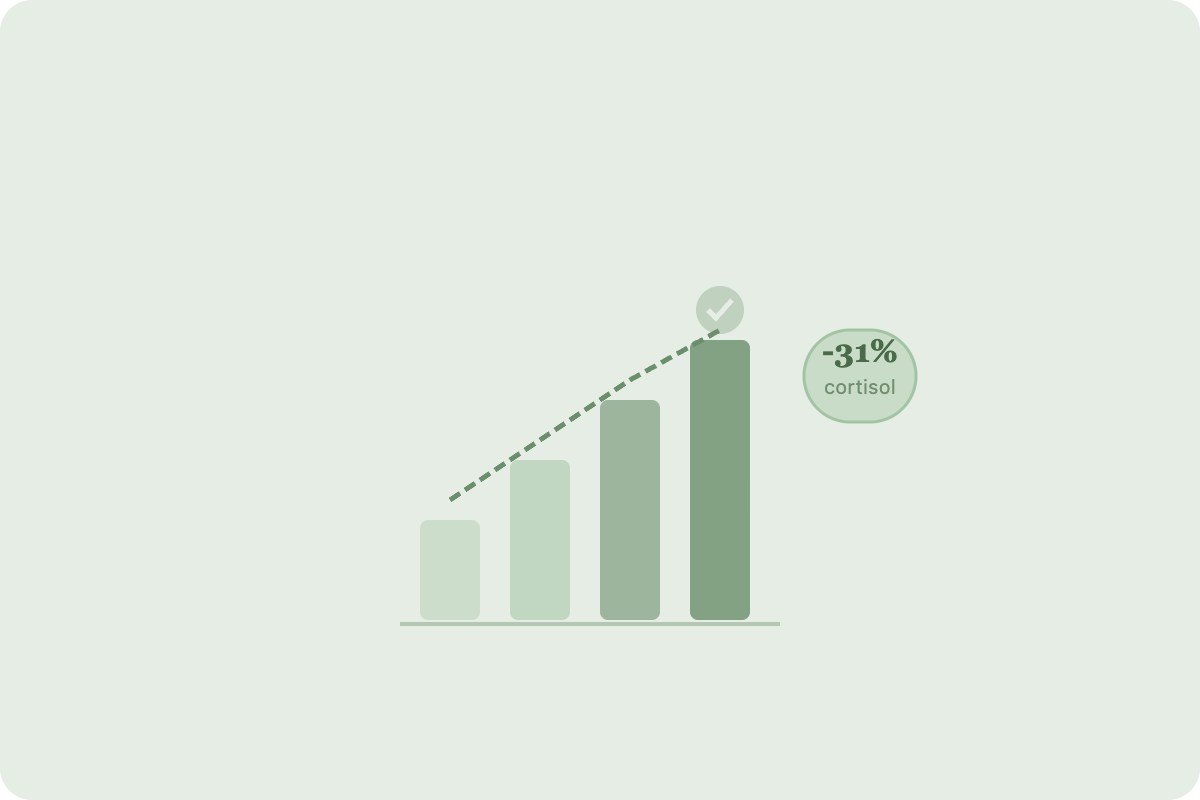
Massage reduces anxiety symptoms through parasympathetic nervous system activation, reducing cortisol by 31% and increasing serotonin (28%) and dopamine (31%). Studies from 2024 show that 83% of clinical trials report significant improvements, with visible effects after 5 Swedish massage sessions.
Key takeaways
- 32% of Portuguese adults present anxiety symptoms, with a 7.4 percentage point increase in 2025
- 83% of clinical studies report significant anxiety symptom reductions with massage
- Massage reduces cortisol by 31% and increases serotonin (28%) and dopamine (31%)
- Real improvements appear after just 5 Swedish massage sessions
- Home massage is especially effective for people with anxiety, eliminating external stressors
The Mental Health Crisis in Portugal
Anxiety has become a silent epidemic. Data from 2024 reveals that 32% of the Portuguese population presents anxiety symptoms, a prevalence that places the country in a concerning situation. Women are disproportionately affected: 38.2% present symptoms, compared with 24.7% of men. In severe cases, the disparity is even greater: 14.1% of women versus 6.2% of men.
The trend worsened dramatically in 2025. Anxiety prevalence increased 7.4 percentage points in a single year, reversing an improvement that had been occurring. Among Portuguese university students, the numbers are alarming: 55.3% report anxiety, 55.9% stress, and 56.3% depression.
This reality demands effective responses. Therapeutic massage offers a non-pharmacological intervention with robust scientific evidence. A 2024 review identified 34 high-quality studies: 83% reported significant reductions in anxiety symptoms. This is not placebo. This is physiology.
What Stress and Anxiety Do to Your Body
Anxiety is not merely mental. It is a complete physical response affecting every system in the body. The brain activates the sympathetic nervous system (fight or flight mode), triggering a hormonal cascade dominated by cortisol and adrenaline.
Muscles tense. Heart rate accelerates. Breathing becomes shallow. This response is useful when facing real danger. The problem arises when it becomes chronic: the body activates the same mechanisms in response to a work deadline, a traffic jam, or a phone notification.
Physical consequences accumulate. Chronic muscle tension in the neck, shoulders, and lower back. Tension headaches. Jaw clenching. Digestive problems. Disrupted sleep. Weakened immune system.
Portuguese data shows that 99.2% of office workers use computers daily, with 56.1% reporting cervical pain. Prolonged static posture, combined with high psychological stress, creates a vicious cycle: stress causes muscle tension, muscle tension causes pain, pain increases stress.
Regional Context in Portugal: Anxiety and depression prevalence varies significantly. Alentejo and Centro regions present the highest rates (24.9% and 24%), whilst Algarve records the lowest (16.74%). Socioeconomic factors and access to mental health care explain part of these differences.
How Massage Intervenes in the Nervous System
Massage is not merely pleasant. It is a physiological intervention acting on multiple levels, with measurable and replicable effects.
Cortisol Reduction and Hormonal Modulation
Studies published in the International Journal of Neuroscience documented an average 31% reduction in cortisol levels following massage sessions. Simultaneously, serotonin increases by an average of 28% and dopamine by 31%. These neurotransmitters regulate mood, sleep, and sense of wellbeing.
A recent meta-analysis questions whether cortisol is the primary mechanism, suggesting benefits derive from other pathways. But the clinical effects remain: less anxiety, better sleep, greater sense of control.
Parasympathetic System Activation
The nervous system has two modes: sympathetic (alert) and parasympathetic (recovery). Chronic stress keeps the sympathetic constantly active. Massage, through slow and rhythmic touch, activates the parasympathetic.
Heart rate slows. Breathing deepens. Blood pressure decreases. Heart rate variability increases, a marker of stress resilience. These are not subjective effects: they are measurable changes in vital signs.
C-Tactile Fibre Stimulation
Touch activates specific nerve fibres (C-tactile fibres) that send signals to the insular cortex, the brain area involved in perceiving the body's internal state. These signals promote a sense of safety and calm.
This is why massage works independently of belief or expectation. It is a neurological response to touch, not a placebo effect.
The Clinical Evidence
A meta-analysis published in Psychological Bulletin analysed 37 studies on massage and mental health. The conclusion was clear: massage significantly reduces anxiety and depression symptoms.
In 2024, a review identified 34 high-quality studies. Result: 83% reported significant reductions in anxiety symptoms. The consistency of results across different populations and contexts reinforces the intervention's validity.
How Long Until Results Appear
A clinical trial at Emory University evaluated people with Generalised Anxiety Disorder. After just 5 sessions of Swedish massage, participants reported real and measurable improvements.
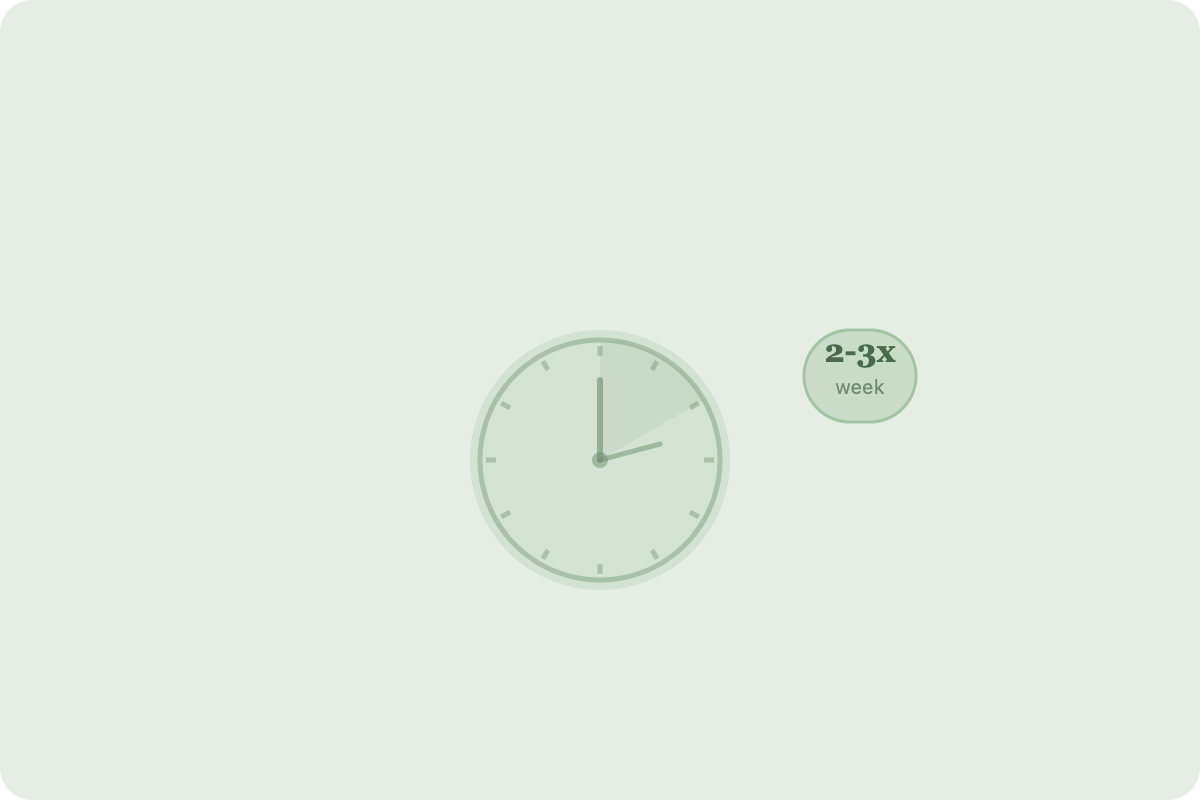
Relaxation is immediate in the first session. But sustained effects on stress regulation appear after 3-4 weekly or fortnightly sessions. Most people notice significant improvement in sleep and muscle tension after the second or third session.
Which Type of Massage Works Best
The choice of technique matters. Not all massages have the same effect on anxiety.
Swedish Massage
This is the most suitable option. Long, flowing, and rhythmic movements effectively activate the parasympathetic system. Moderate pressure releases muscle tension without creating discomfort. This is the ideal approach for those wanting to disconnect and break the hyperactivation cycle.
Relaxation Massage with Aromatherapy
This adds the effect of essential oils to Swedish massage. Lavender, chamomile, and bergamot have documented calming properties. Smell is the sense most directly linked to the limbic system (the brain's emotional centre), enhancing the relaxing effect.
Moderate Deep Tissue
If stress manifests as severe muscle tension (shoulders like stone, painful jaw), a deeper approach may be necessary. But intensity must be calibrated: excessive pressure can activate the stress response instead of calming it.
Cranial and Cervical Massage
This works the head, neck, and skull base, areas where stress tension concentrates. Particularly effective for tension headaches and for those who feel their head is "heavy" at the end of the day.
| Massage Type | Main Indication | Intensity |
|---|---|---|
| Swedish | Generalised anxiety, stress | Light to moderate |
| Aromatherapy | Anxiety with insomnia | Light |
| Deep Tissue | Stress with severe muscle tension | Moderate to deep |
| Cranial | Tension headaches, mental stress | Light |
Why Home Massage Enhances the Anti-Stress Effect
Going to a spa to treat stress seems logical, but involves elements that can counteract the objective. Getting ready, leaving home, driving through Lisbon or Porto traffic, finding parking, waiting at reception. Each step activates, even slightly, the stress system.
Home massage reverses this dynamic. The therapist arrives at your door. You need not travel or deal with the outside world. You are in your space, the environment where the nervous system feels naturally safer.
For people with anxiety, this point is particularly relevant. Anxiety frequently includes discomfort in unfamiliar spaces and interaction with new people. Receiving massage at home removes these barriers. The environment is familiar, controlled, predictable.
When the session ends, there is no transition. You need not get dressed and face the return journey. You can stay on the sofa, drink tea, lie down. The relaxation state continues without interruption.
How Often to Have Massage
An isolated session provides immediate but temporary relief. For sustained effects on stress and anxiety, regularity is essential.
Acute stress (crisis period): Weekly sessions for 3-4 weeks to break the hyperactivation cycle. Then space out according to response.
Moderate chronic stress: Fortnightly sessions as a baseline. This frequency maintains benefits between sessions and prevents tension accumulation.
Maintenance: Monthly sessions for those who have stabilised. This keeps the nervous system regulated and prevents relapses.
The key is consistency. Effects accumulate over time: each session builds on the previous one. For detailed guidance, consult the article on massage frequency.
Complementary Strategies to Massage
Massage is a powerful tool, but works best when integrated into a set of practices.
Breathing: Simple diaphragmatic breathing techniques (inhale 4 seconds, exhale 6 seconds) activate the parasympathetic system. You can practise daily, anywhere.
Movement: Regular exercise is one of the most effective anxiolytics. It need not be intense: 30-minute walks make a difference.
Digital boundaries: Constant notifications keep the alert system activated. Setting phone-free periods (especially before sleep) significantly reduces sympathetic activation.
Sleep: Massage improves sleep, but habits also matter: regular schedule, dark and cool room, no screens in the hour before sleep.
When massage combines with these practices, results are deeper and more lasting. For more information on cumulative benefits, consult our complete article.
Massage Does Not Replace Clinical Treatment
It is important to clarify: massage is a complement, not an alternative to psychological or psychiatric treatment. If anxiety is severe, if it interferes with daily life, if it provokes panic attacks or prevents normal functioning, consult a mental health professional.
Massage can be part of the treatment plan. Many psychologists and psychiatrists recommend it as complementary therapy. But it does not replace cognitive-behavioural therapy, medication when indicated, or professional accompaniment.
For moderate stress and anxiety, which is the reality for most people, regular massage is one of the simplest, safest, and most effective interventions available. Home sessions from €95, from 8am to midnight, 365 days a year, in Lisbon and Porto.
Book your home massage
Book a Massage →Frequently Asked Questions
It works beyond the moment. A 2024 review analysed 34 high-quality studies: 83% reported significant reductions in anxiety symptoms. Massage reduces cortisol by 31%, increases serotonin by 28%, and dopamine by 31%. A clinical trial at Emory University showed that people with Generalised Anxiety Disorder presented real improvements after just 5 Swedish massage sessions. The effects are cumulative: regular sessions produce sustained improvements in stress regulation.
Swedish massage is the most suitable option. The long, flowing, and rhythmic movements effectively activate the parasympathetic nervous system (recovery mode). Moderate pressure releases muscle tension without creating discomfort. If you have insomnia associated with anxiety, aromatherapy massage (lavender, chamomile) enhances the effect. Avoid very intense deep tissue if you are in a heightened anxiety state, as it can activate the stress response.
Relaxation is immediate in the first session. For sustained effects on stress and anxiety regulation, studies show that 3-4 weekly or fortnightly sessions begin to produce lasting results. Most people notice significant improvement in sleep and muscle tension after the second or third session. A clinical trial showed real improvements in people with generalised anxiety after 5 sessions.
Yes, massage is compatible with most anxiolytics and antidepressants. In fact, many psychologists and psychiatrists recommend it as complementary therapy. Always inform the therapist about your medication. Massage does not replace medical treatment, but can be part of an integrated anxiety management plan. If anxiety is severe or interferes with daily life, consult a mental health professional.
For people with anxiety, leaving home activates stressors: traffic, parking, unfamiliar spaces, interaction with new people. Anxiety frequently includes discomfort in non-familiar environments. Receiving massage at home removes all these barriers. The environment is familiar, controlled, predictable. The nervous system already feels safe. When the session ends, there is no stressful transition: you can continue relaxing without interruption.