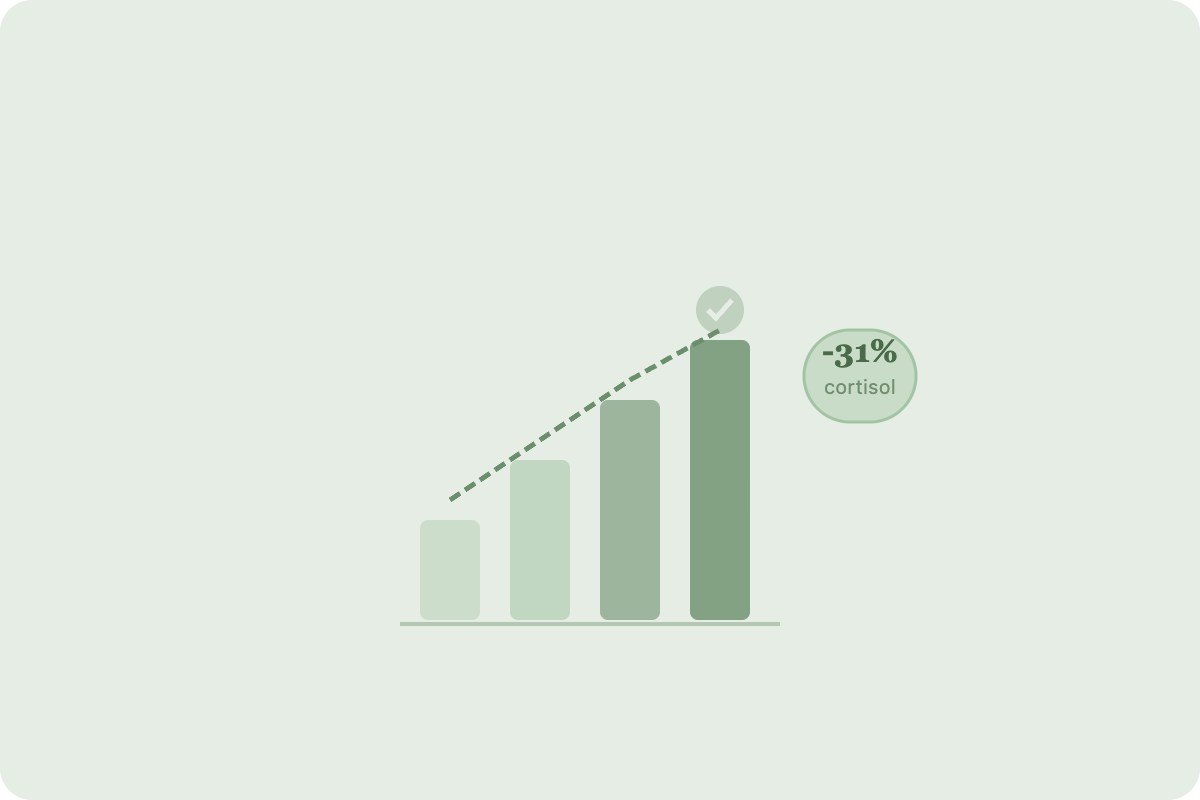
Best time depends on goal: morning for muscle tension (elevated cortisol makes muscles responsive), late afternoon for post-exercise recovery (peak body temperature), evening for sleep (reduces cortisol, increases melatonin). Studies show 31% cortisol reduction and massage 2-4h post-exercise reduces soreness >30%.
Key takeaways
- Cortisol peaks 30-45 min after waking and reaches minimum at night, creating distinct windows for muscle tension (morning) versus relaxation (evening)
- Massage reduces cortisol 31%, increases serotonin 28% and dopamine 31%, with brain using serotonin to produce melatonin for sleep
- Body temperature peaks 4pm-7pm, making late afternoon ideal for soft tissue work and post-exercise recovery
- Massage 2-4 hours post-exercise reduces muscle soreness >30%, with immediate massage more effective than delayed (48h) for muscle function
- 15-minute morning chair massage improved complex cognitive task performance, demonstrating timing effects beyond muscle relaxation
The Quick Answer
The best time for massage depends on your goal. For muscle tension relief and chronic pain, morning capitalises on elevated cortisol levels that make muscles more responsive. For cognitive performance and post-exercise recovery, late afternoon leverages peak body temperature. For sleep and stress reduction, evening naturally reduces cortisol and increases melatonin.
There is no universally superior time. The body undergoes predictable hormonal and physiological cycles over 24 hours, creating windows where specific types of massage produce better results. Understanding these patterns allows you to synchronise massage with biology, not just schedule.
What Happens in the Body Over 24 Hours
Cortisol, the primary stress hormone, follows a strict circadian pattern. Within 30 to 45 minutes of waking, cortisol levels surge in a response called the "cortisol awakening response". This morning peak is not pathological but adaptive: it prepares the body for the day's demands.
As the day progresses, cortisol decreases progressively. Throughout the afternoon, levels continue falling. By evening, cortisol reaches its lowest point. As cortisol drops, melatonin rises, signalling to the body that it is time to slow down and prepare for sleep.
Body temperature also follows a predictable cycle. It peaks in late afternoon, typically between 4pm and 7pm. This thermal peak increases peripheral blood flow, soft tissue elasticity and nerve conduction, creating ideal conditions for deep manual work.
Massage intervenes directly in these systems. A meta-analytic study documents that massage reduces cortisol by an average of 31%, increases serotonin by 28% and dopamine by 31%. Whilst more recent comprehensive analyses suggest the effect may be smaller than originally reported, the direction of change is consistent: cortisol decreases, neurotransmitters associated with wellbeing increase.
The brain uses serotonin to produce melatonin, directly supporting the sleep-wake cycle. A massage that increases serotonin during the afternoon provides the precursors for melatonin production in the evening. This biochemical cascade explains why regular sessions improve sleep quality over time, not just on the session night.
Scientific Evidence: Massage reduces cortisol by an average of 31% and increases serotonin by 28% and dopamine by 31%. The brain uses serotonin to produce melatonin, creating a cascade effect that directly improves sleep quality.
Morning Massage: Muscle Tension and Preparation
Why It Works
Elevated morning cortisol levels create a specific window for structural work. Cortisol has natural anti-inflammatory properties and increases muscle receptor sensitivity. Slightly tenser morning muscles respond well to myofascial release techniques and assisted stretching.
For those who wake with neck, lower back or shoulder stiffness, a morning deep tissue massage addresses the problem when most accessible. Tension has not had time to accumulate throughout the day, but tissues still retain chronic tension patterns that can be effectively addressed.
The Touch Research Institute at the University of Miami demonstrated that just a 15-minute chair massage significantly improved performance on complex cognitive tasks. Participants showed greater speed and accuracy in mathematical calculations after the morning session. The likely mechanism: increased cerebral blood flow and reduced tension consuming cognitive resources.
Ideal For
Office workers who spend the day seated benefit from morning sessions that restore range of motion before hours in the same position. Athletes training in the afternoon or evening can use morning for preventive work without interfering with performance. People with chronic neck or lower back pain frequently report that morning treatment provides relief maintained throughout the working day.
Morning sessions also work for those who have difficulty relaxing in the evening. An activating, structural massage in the morning does not interfere with sleep and offers therapeutic benefits without the risk of daytime drowsiness.
Afternoon Massage: Performance and Recovery
Why It Works
Late afternoon represents the sweet spot for many types of treatment. Body temperature reaches its peak, increasing fascial elasticity and soft tissue response to manual pressure. The body is fully alert but cortisol has already begun descending from morning levels.
For post-exercise recovery, timing is critical. Most studies on sports massage used interventions 2 to 4 hours after training, demonstrating muscle soreness reduction exceeding 30%. Immediate post-exercise massage proved more beneficial than delayed massage (48 hours) for restoring muscle function.
If you train in the morning, an early afternoon sports massage fits this optimal window. If you train at lunch, a session at 4pm or 5pm maximises recovery. Manual work facilitates metabolite removal, reduces localised inflammation and restores muscle fibre resting length before stiffness sets in.
Ideal For
Athletes and regular sports practitioners who need rapid recovery between training sessions. Remote workers who can fit a session between meetings without losing travel time. Those with physical jobs finishing at midday or early afternoon who benefit from treatment before fatigue accumulates.
Late afternoon is also ideal for those with schedule flexibility who want to keep evenings free for social or family commitments. With RHEA available from 8am to midnight, home massages fit any remote or hybrid work interval.
Evening Massage: Sleep and Decompression
Why It Works
Evening massage works with the natural physiology of sleep. As cortisol falls, massage accelerates this decline. The resulting increase in serotonin provides precursors for melatonin, the hormone regulating sleep. This synergistic effect explains why so many clients fall asleep during evening sessions.
For those suffering from insomnia or poor sleep quality, regular late-evening massage creates a transition ritual. The body learns to associate therapeutic touch with deceleration, facilitating entry into deep relaxation states. Over time, this association strengthens, reducing sleep latency (time to fall asleep) and increasing deep sleep duration.
Research on stress and anxiety shows evening sessions have cumulative effect. A meta-analysis of studies on massage for stress and anxiety concluded that benefits are most pronounced when sessions occur regularly at day's end, allowing the parasympathetic nervous system to dominate before sleep.
Ideal For
Professionals with intense schedules who arrive home with accumulated tension in shoulders, neck and jaw. People with anxiety interfering with sleep. Those who have difficulty mentally "switching off" after a demanding work day.
Shift workers finishing at 10pm or 11pm who need to decompress before sleeping. Couples wanting to create a weekend ritual promoting simultaneous connection and relaxation. Evening massage is particularly relevant in cultures where prolonged work creates systematic imbalances between professional activation and personal recovery.
Comparison by Time of Day
| Period | Cortisol | Temperature | Best For | Massage Type |
|---|---|---|---|---|
| Morning (7am-10am) | Very high (peak 30-45 min after waking) | Low, rising | Chronic muscle tension, day preparation, mental clarity | Deep tissue, assisted stretching, structural work |
| Midday (11am-2pm) | Moderate to high, beginning to fall | Moderate | Work break, accumulated tension release | Swedish, relaxation, chair |
| Late afternoon (3pm-6pm) | Moderate, falling | Maximum (peak 4pm-7pm) | Post-exercise recovery, cognitive performance, soft tissue treatment | Sports, deep tissue, Swedish |
| Early evening (7pm-9pm) | Low, falling | Falling | Post-work decompression, transition to rest mode | Swedish, relaxation, aromatherapy |
| Night (9pm-11pm) | Very low (daily minimum) | Low | Sleep preparation, insomnia, night-time anxiety | Relaxation, gentle Swedish, calming techniques |
Practical Considerations for Work Schedules
Work reality creates specific challenges. Long working weeks, presenteeism culture and elevated burnout risk mean most professionals reach day's end with significant accumulated tension. Understanding optimal timing becomes essential when consistent self-care competes with professional demands.
For office workers in urban areas, home massages eliminate the logistical barrier that historically prevented consistency. No need to face traffic after an entire day seated. The therapist arrives at your door, sets up professional equipment, and within 60 to 90 minutes you are home again, but in a completely different physiological state.
Schedule flexibility becomes critical. Morning sessions before starting remote work. Late afternoon sessions between end of work and dinner. Evening sessions after putting children to bed. The ability to adapt timing to real life, not a fixed spa schedule, is what transforms intentions into sustainable habits.
How to Choose the Best Time for You
Start by identifying the primary goal. If the main problem is chronic pain or persistent muscle tension, prioritise morning or late afternoon when tissues respond best to structural work. If the goal is stress management or sleep improvement, prioritise late afternoon or evening.
Consider your natural chronotype. Morning people ("larks") often respond better to morning or early afternoon massages, aligning treatment with their period of greatest energy. Evening people ("owls") may prefer late afternoon or evening sessions, when they are naturally more alert and receptive.
Test for one month. Book three to four sessions at the same time and evaluate results. How do you feel immediately after? How do you sleep that night? How do you wake the following morning? Then test a different time for another month and compare. This controlled experimentation reveals personal patterns that general theory cannot predict.
Adjust according to season and professional demands. During periods of greater work pressure, evening sessions may be essential for decompression. During holidays or calmer periods, morning or afternoon sessions may be more pleasant and practical.
Frequency and Timing Work Together
The best time of day does not compensate for inadequate frequency. A clinical study with 228 participants demonstrated that 60-minute sessions performed twice weekly increased the likelihood of neck function improvement by 3.41 times. With three weekly sessions, this value rose to 4.98 times. The dose-response relationship is clear.
For chronic pain, the evidence-based recommendation is one to two weekly sessions for 4 to 8 weeks, then fortnightly sessions for maintenance. For stress management, fortnightly or weekly sessions. For general wellbeing, monthly sessions. Consult the complete article on massage frequency for specific protocols.
Combine frequency and timing strategically. Weekly Monday 8pm sessions create a transition ritual between weekend and work week. Fortnightly Saturday 10am sessions leverage rest morning for deep therapeutic work without interfering with social plans. Timing consistency reinforces physiological benefits with behavioural conditioning.
The Home Massage Advantage
Home massage solves the greatest obstacle to optimal timing: logistics. If the best time for you is 9.30pm after dinner, no spa is open or accessible without significant travel. If the best time is 7am before starting remote work, traditional options are non-existent.
With RHEA available from 8am to midnight seven days weekly, the best time ceases being a choice between physiological ideal and logistical possible. Both converge. Whether your optimal window is 3.30pm on Tuesday or 10pm on Sunday, the therapist is available.
Equipment is identical to any professional spa: adjustable table, quality linens, selected oils, heater for cold months. The only difference is location. And that difference eliminates 45 to 90 minutes of travel, parking and waiting that historically prevented most people from maintaining evidence-based frequency.
Final Practical Recommendations
If you do not currently receive massage regularly, start with the most convenient time, not necessarily the theoretical "ideal". The best time is one you can maintain consistently. Regular sessions at a suboptimal time produce better results than sporadic sessions at perfect timing.
For workers with fixed schedules, Monday to Thursday evenings (7pm-10pm) are often the sweet spot: late enough to decompress from work, early enough not to interfere with sleep. For remote workers or those with flexible schedules, late afternoon (4pm-6pm) capitalises on peak body temperature.
For athletes, synchronise with training calendar. Recovery sessions 2 to 4 hours after intense training. Preparation sessions 24 to 48 hours before competition. Maintenance sessions on active rest days.
For stress or anxiety management, prioritise timing consistency over timing optimisation. The body responds powerfully to predictable rituals. A session every Wednesday at 8pm creates a weekly decompression anchor that the nervous system learns to anticipate and facilitate.
The best time for massage is the intersection of three factors: the physiology of your hormonal rhythms, the specific session goal, and the practical reality of your routine. When these three elements align, massage ceases being an occasional luxury and becomes a consistent therapeutic tool producing measurable changes in quality of life.
Book your home massage
Book a Massage →Frequently Asked Questions
It depends on your goal. Morning is ideal for chronic muscle tension and mental clarity, leveraging elevated cortisol levels. Evening is better for sleep and stress reduction, as massage reduces cortisol when it is already naturally low and increases melatonin. For post-exercise recovery, 2-4 hours after training (usually afternoon) is most effective.
Yes, but 2-4 hours later is more effective. Most sports massage studies used this interval and demonstrated muscle soreness reduction exceeding 30%. Immediate massage is still beneficial and superior to delayed massage (48 hours) for restoring muscle function, but the 2-4 hour window optimises results.
No, the opposite. Evening massage reduces cortisol (already naturally low at night) and increases serotonin, which the brain uses to produce melatonin. This synergistic effect improves sleep quality. Many clients fall asleep during evening sessions. For insomnia, regular late-evening massage creates an effective transition ritual.
Late afternoon (6.30pm-7.30pm) or early evening (7.30pm-9pm) are ideal for office workers. This allows decompression from accumulated tension, leverages the final moments of elevated body temperature (until 7pm), and prepares the body for sleep without interfering with rest. Home massage eliminates post-work travel time.
Timing consistency reinforces benefits. The body responds to predictable rituals: a weekly session always on Wednesday at 8pm creates a decompression anchor the nervous system learns to anticipate. However, the best time is one you can maintain regularly, even if it varies slightly. Consistent frequency exceeds perfect inconsistent timing.
Both morning and late afternoon are effective but for different reasons. Morning capitalises on elevated cortisol that increases muscle sensitivity to structural work. Late afternoon leverages peak body temperature (4pm-7pm) that increases fascial elasticity. For chronic pain, the most important factor is frequency: 1-2x weekly for 4-8 weeks, regardless of time.